Rare Whisky Prices Fall 42% as Trophy Bottles Hold Their Appeal
Debt & Credit [email protected] (Chris Carter) 430 reads
Rare whisky valuations have dropped sharply from their 2022 peak, while scarce bottles still draw big bids. Here’s what separates the two markets.
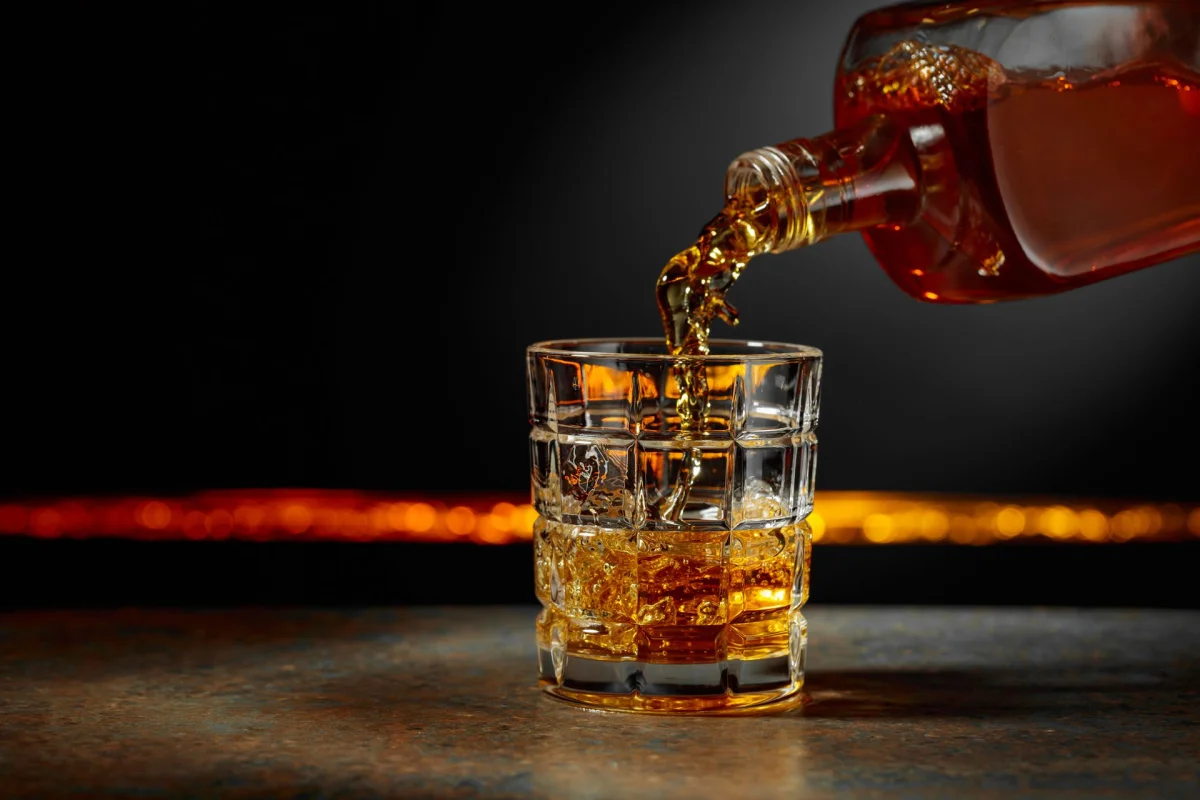
Rare whisky has split into two very different markets. Valuations for a basket of sought-after bottles have fallen sharply from their pandemic-era peak, yet a handful of exceptionally scarce bottles can still attract multimillion-pound bids. That gap matters: a record sale can show that wealthy buyers remain interested in a singular bottle, but it doesn’t tell collectors much about prices across the wider market.
The Rare Whisky 101 Icon 100 index tracks valuations for 100 sought-after bottles. From just before the first UK lockdown in March 2020 to its peak in May 2022, it rose 58%. Since then, it has fallen 42%, reaching a post-pandemic low last month. The rise unfolded when low interest rates and time spent at home helped draw collectors and speculators toward rare single malts, after a strong decade for the category before Covid.
That surge has since given way to a sharp reset. As lockdowns ended and interest rates rose, conventional investments offered a more appealing alternative for some buyers. The index’s fall suggests the boom didn’t leave every bottle with lasting value at its peak price. Anyone considering rare whisky as a store of value should keep that distinction in view: headline prices for celebrated bottles and broad market valuations are measuring different things.
A record sale doesn’t make a market
A recent auction at the Macallan distillery illustrates why exceptional bottles still command attention. Sotheby’s sold a Macallan 1926 for £2.1 million, the second-highest price fetched for a whisky bottle in sterling terms. The bottle came from a batch of 40 drawn from the same sherry-seasoned oak cask in 1986. Its “Macallan Fine & Rare” label was first released in 2002.
The previous higher sale, in 2023, was another bottle from that batch. It carried one of 12 labels featuring artwork by Italian painter Valerio Adami. Of the 40 bottles, 14 had the Fine & Rare label, 12 featured work by British artist Peter Blake, and two were left unlabelled. Those differences help explain why bottles from one cask can draw distinct levels of interest: provenance, label and scarcity can all shape the appeal of an individual lot.
But a sale at this level is an outlier, not a dependable guide to the value of an ordinary bottle. Trophy bottles sit at the extreme end of the market, where small differences and limited supply can matter greatly. A single high bid doesn’t establish that prices are recovering across the Icon 100, or that a buyer could resell another bottle for a similar amount.
Scarcity can support the rarest bottles
Physical supply changes over time. Some bottles are opened and consumed; others are accidentally damaged or destroyed. One of the Adami-labelled Macallan bottles was reported to have been lost in an earthquake in Japan. When a bottle from a tiny batch disappears, fewer examples remain available to collectors, which can add to the scarcity of those still intact.
That dynamic is especially relevant for bottles from closed distilleries, often called “ghost distilleries.” Collectors may prize them because production has ended, leaving a fixed supply. Yet rarity on its own doesn’t guarantee a buyer at a particular price. Interest, condition and the willingness of collectors to spend still matter, and a thin pool of buyers can make prices hard to judge.
Industry pressures complicate the outlook
The wider Scotch whisky industry has faced several headwinds. Younger drinkers are drinking less amid health concerns and cost pressures, while tastes are changing. Tariffs have also weighed on the sector. Another challenge is timing: a large volume of spirit went into casks during the 2010s and is now reaching maturity when demand is under pressure. Smaller independent distilleries are struggling particularly.
These pressures help explain why a celebrated auction result can sit alongside a weak market for whisky more generally. The bottle on the auction block has a fixed history and a very limited supply. The wider industry must contend with changing consumption and a substantial volume of maturing stock. Those are related parts of the whisky trade, but they don’t move in lockstep.
What to watch from here
The Icon 100 has moved unevenly so far this year. It hasn’t shown a clear rebound, but nor has it continued to fall at the same pace. That pause leaves the direction uncertain. A few headline-making sales may keep attention on trophy bottles, while the broader index gives a different view of how valuations are holding up across a group of sought-after whiskies.
For household finances, the practical takeaway is to treat rare whisky as an unpredictable purchase, not a reliable route to future gains. Prices can fall, and a bottle’s value may depend on finding a buyer who wants that exact example. The market’s next signal will come from whether demand spreads beyond a small number of celebrated bottles and whether the broader valuations can hold steady.