Luca de Meo’s Kering turnaround faces a harder test at Gucci
Debt & Credit [email protected] (Jane Lewis) 780 reads
De Meo has cut borrowing and reshaped Kering, but Gucci’s latest sales reversal shows why a luxury recovery may take time.
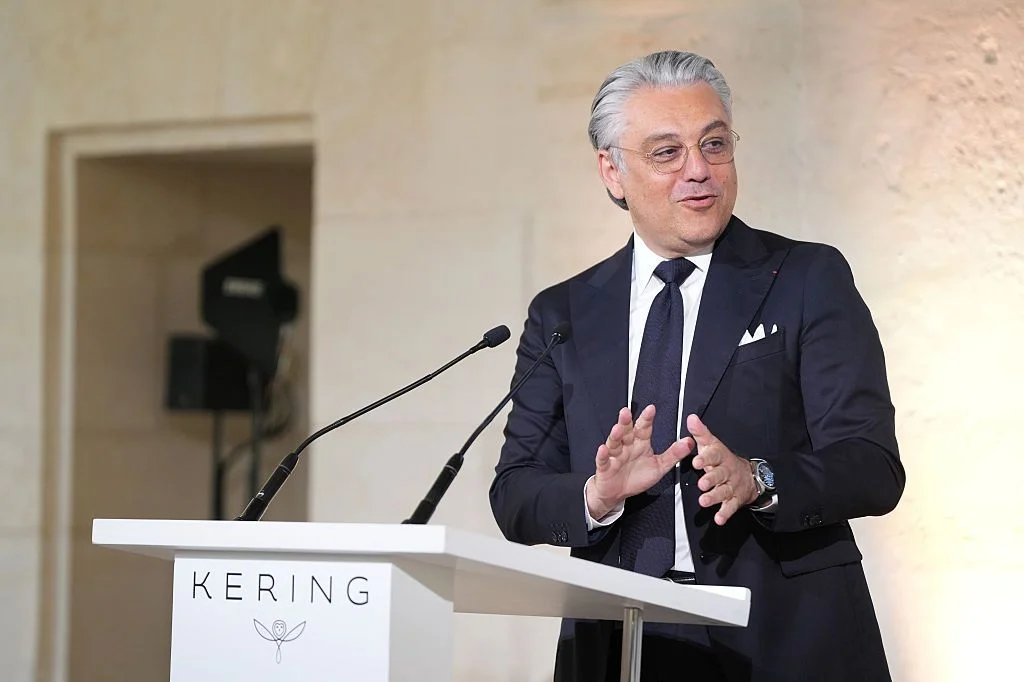
Luca de Meo’s first year at Kering has brought a sharper operating plan and a stronger balance sheet. It hasn’t yet brought a sustained recovery at Gucci. That gap matters: Gucci is the group’s main revenue engine, and the brand’s latest sales decline wiped out much of the market’s early confidence in its new chief executive.
De Meo arrived from Renault with a background in Europe’s car industry and a reputation for marketing and turnarounds. His appointment stood out in a business where creative identity and skilled craft sit close to the heart of a luxury brand. The question was whether practices from carmaking could help a group of fashion houses without weakening what makes those houses distinctive.
A more integrated way to run Kering
Kering is owned by the Pinault family through their holding company, Artemis. Its fashion brands include Gucci, Saint Laurent, Balenciaga and Alexander McQueen, each with its own identity and creative leadership. De Meo’s plan seeks to connect parts of their operations: standardising some production and bringing more decisions to the group level.
The logic is familiar in manufacturing. Shared systems and closer coordination can make a large business easier to manage, while tighter control of assets and borrowing can improve its financial footing. At a luxury group, though, those changes have to coexist with the independence and craftsmanship that help justify high prices. The practical challenge is to find efficiencies without making the brands feel interchangeable or constraining their creative teams.
De Meo has made clear that he favours direct communication. When asked which executive car he wanted for travel, he chose an electric van, saying it would give his team more room to work. In February, he said the level of “bullshit” inside Kering had fallen sharply, adding that people were addressing issues one by one. The bluntness signals a change in internal expectations, though a more candid culture can identify problems only if the business can also solve them.
Early financial steps, followed by a setback
Kering’s value rose from around €20 billion in 2013 to almost €100 billion at its 2021 peak, then fell back to a low of €20 billion last year. The decline reflected pressure across luxury, particularly a pullback in China, but Gucci’s troubles added to Kering’s difficulties. Shoppers had lost interest in the brand, leaving the group especially exposed to a weakness at its biggest source of revenue.
De Meo’s early actions won investors’ support. Within weeks of arriving, he streamlined assets and reduced borrowing, strengthening the balance sheet. There were also early indications of improvement at Gucci. But the latest sales report showed Gucci moving backwards again, and Kering shares fell 17% in a single day, their steepest one-day decline in a decade. The drop erased almost all the share-price gains made since De Meo arrived.
That reversal underlines the difference between improving a company’s finances and restoring demand for a fashion brand. Cutting borrowing and simplifying operations can change Kering’s capacity to manage a downturn. They cannot, on their own, make customers want Gucci’s products again. The sales result suggests that the brand’s recovery remains uncertain, even as management works through its wider plan.
Creative changes make the timeline longer
De Meo has described a luxury house’s studio as its soul, with an element of magic. That view sits alongside his push for more integrated operations: administrative discipline may support a brand, but the creative work still has to give people a reason to choose it.
Gucci is led by creative director Demna Gvasalia and is not yet performing consistently. Other Kering brands are also dealing with transitions. Alexander McQueen and Balenciaga are each expected to appoint a second couturier in three years. These changes make it harder to judge the operating plan quickly, because the creative leadership and the commercial response are developing at the same time.
A designer may need about 18 months to reach their full potential. That puts a limit on what a new management team can show in the short term: even an effective strategy may take time to work through design, production and customer demand. For Kering, the coming stretch will test whether its brands can regain momentum while the group changes how it runs them.
The test is execution
De Meo is familiar with the car industry’s tough competition and thin margins. That experience may help him impose discipline and confront difficult decisions. Luxury, however, places a premium on individual brand character and creative credibility, so the methods that work in manufacturing need careful adaptation.
The clearest near-term measure is whether Gucci can turn its sales direction around, alongside signs that the other houses are finding their footing through leadership changes. Kering has already made financial adjustments; the harder task is translating them into stronger demand without dulling the qualities that set each brand apart. De Meo’s honeymoon may be over, but the real test of his plan will take longer than one year.