Nationwide’s 5.3% Fixed Bond: When a Cash ISA Could Leave You Better Off
Budgeting & Saving [email protected] (Sam Walker) 918 reads
Nationwide’s 30-month bond pays 5.3%, but tax can narrow its lead. Compare access, term and after-tax interest before choosing.
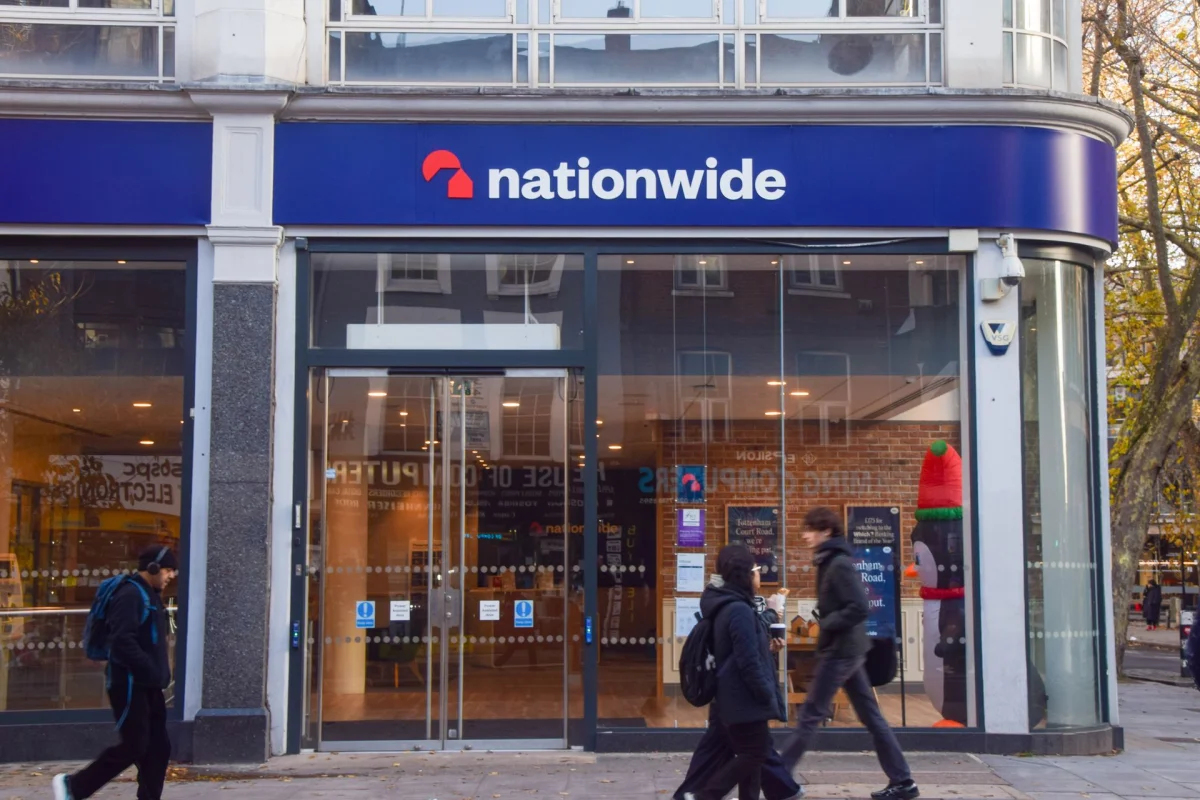
Nationwide’s 5.3% fixed-rate bond offers a strong headline return, but the rate alone doesn’t tell savers which account will leave them with more. The 30-month term locks money away, and savings interest may be taxable. For people whose interest exceeds their available tax-free allowance, a cash ISA paying less could produce more after tax.
Who can open the bond, and what are the terms?
The 30-month Member Exclusive Bond is available to existing Nationwide and Virgin Money customers. To qualify, you must have held a personal current account, mortgage, savings account, business savings account or loan with either brand since November 2, 2026.
You can deposit up to £10,000 and open one account per person. The money must be paid in within 14 days of opening the account. You can apply through Nationwide’s website or internet banking; a branch version is called the Member Exclusive Branch Bond Issue 2.
Interest is credited annually and paid when the 30-month term ends. Once the bond is open, you can’t withdraw the money before maturity. That makes it a poor fit for savings you may need to reach during the term, even if the rate is attractive. Before committing, consider whether you have enough accessible money for expected costs and emergencies.
How the rate compares with other fixed accounts
At the time described, Nationwide’s 5.3% rate was the highest listed for three-year fixed-rate bonds, based on Moneyfactscompare data, although Nationwide’s bond runs for 30 months rather than a full three years. Afin Bank and GB Bank each offered 5.28%, while Secure Trust Bank offered 5.27%. The source reported that these accounts were covered by the Financial Services Compensation Scheme.
The 5.3% rate also matched the top of the two-year fixed-bond tables: RCI Bank UK offered 5.3%, and Afin Bank and GB Bank each offered 5.28%. For four-year bonds, Market Harborough Building Society offered 5.25%, while Aldermore offered 5.17%.
Those comparisons help show the trade-off between rate and time, but the accounts don’t all have the same term or eligibility rules. A headline rate is only one part of the decision; check the account’s access conditions and the date the offer applies before opening anything.
What tax could do to the bond’s return
The interest from a standard savings bond may count towards your taxable savings income. The article’s calculations, prepared by Evelyn Partners, assume a £10,000 deposit on November 3, with the bond maturing in May 2029. At 5.3%, the projected gross interest is £1,381.92.
The calculations apply the savings tax rates reported as taking effect from April 2027: 24% for basic-rate taxpayers, 44% for higher-rate taxpayers and 49% for additional-rate taxpayers. They also assume tax rates and allowances stay unchanged, the saver remains in the same tax band, and no other interest uses any of their personal savings allowance.
| Tax band | Tax payable | Interest after tax |
|---|---|---|
| Basic rate (24%) | £91.66 | £1,290.26 |
| Higher rate (44%) | £388.04 | £993.88 |
| Additional rate (49%) | £677.14 | £704.78 |
These figures are examples, not a prediction of what every saver will owe. Your outcome depends on your tax band, allowances and other savings interest. The key point is that a higher gross rate can lose some of its advantage once tax is included.
When a cash ISA may come out ahead
A cash ISA shelters eligible interest from tax, so it can be useful when taxable savings interest would exceed the allowance available to you. There was no 30-month fixed-rate ISA directly comparable with Nationwide’s bond in the reported market snapshot. At that time, one two-year and three three-year fixed-rate cash ISAs paid 5.15%.
For illustration, placing £10,000 in a two-year ISA paying 5.15% a year, with interest compounded annually, would generate £1,056.52 in tax-free interest over two years. The same deposit in a three-year ISA at that rate would generate £1,625.93 tax-free over three years.
The terms matter when comparing those totals with the bond. The ISA examples run for two or three years, while Nationwide’s bond runs for 30 months. They also use different annual rates and holding periods, so the totals aren’t a direct like-for-like comparison. Still, the reported calculations indicate that higher-rate and additional-rate taxpayers could receive more after tax from those ISAs, despite their lower advertised rate.
Basic-rate taxpayers may find the bond’s result more competitive under the stated assumptions, but their own allowance and other interest could change the calculation. An ISA also ties up money for its fixed term if it doesn’t allow withdrawals, so check access rules alongside the tax treatment.
The practical choice is to compare what you expect to keep, for the period you can leave the money untouched. Check the account’s rate, term, eligibility and withdrawal rules, then consider how much of your savings allowance remains. A top rate is a useful starting point; your after-tax return and need for access should decide whether it’s the right account for you.


