MoneyWeek Black Friday Subscription Deals: Compare Print and Digital Prices
Retirement Planning [email protected] (MoneyWeek) 520 reads
Get six issues free, then save 30% on MoneyWeek print, digital or combined subscriptions. Compare annual prices, features and cancellation terms.
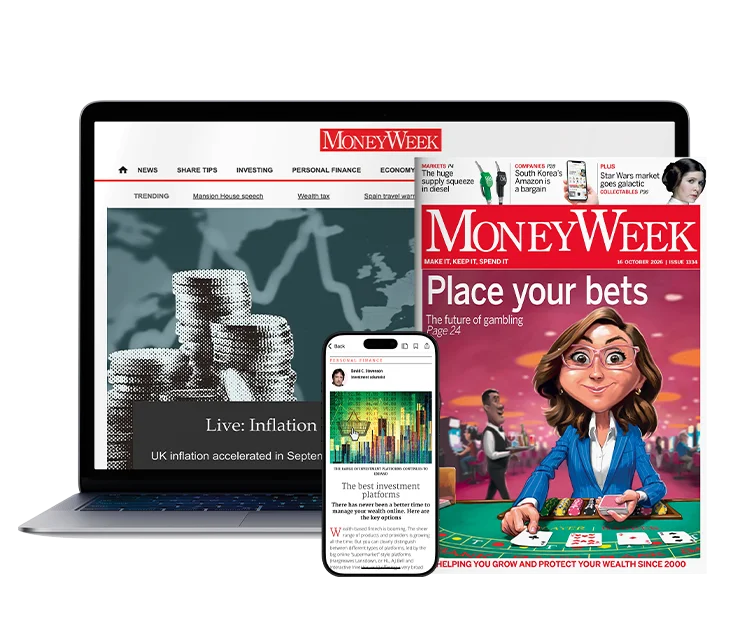
Six free issues and a 30% discount make this MoneyWeek offer a chance to try the magazine before paying for a full year. The sale ends on 30 November 2026, and the annual subscription options differ in price and format. The main choice is whether print copies matter to you, or whether app access is enough.

Compare the three subscription options
Each plan starts with six issues at no charge. After that, the stated prices apply every 52 issues, which the terms describe as an annual subscription. MoneyWeek publishes four extended issues during the year; each counts as two issues.
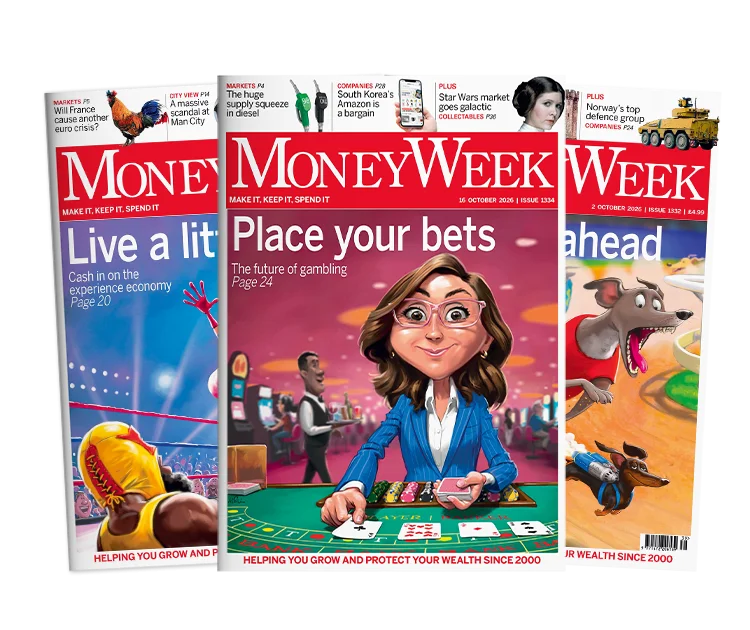
- Print: £116.19 every 52 issues, reduced from £165.99. The offer is described as saving 30%, and the stated weekly equivalent is £2.23. It includes the weekly print magazine and discounts to MoneyWeek events.
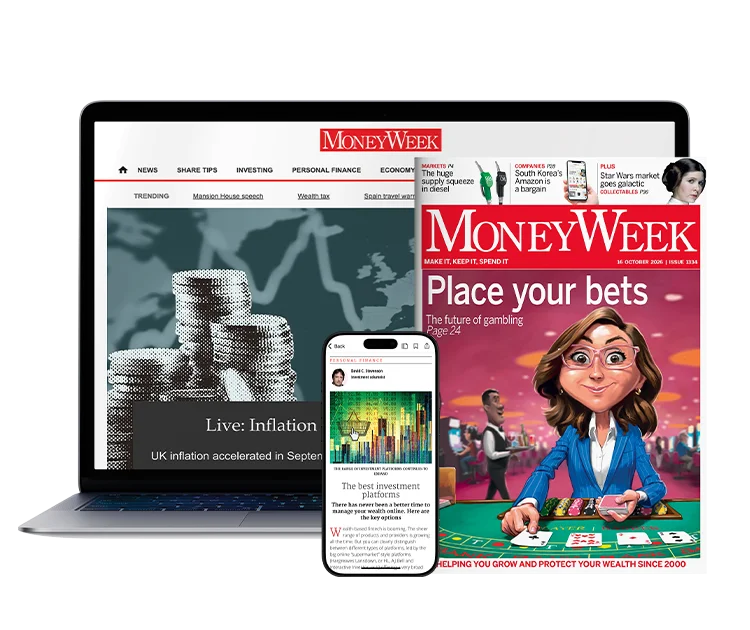
- Print and digital: £122.49 every 52 issues, reduced from £174.99. The stated weekly equivalent is £2.35. Alongside the print magazine and event discounts, this plan includes app access on a phone, tablet or laptop, exclusive articles and the MoneyWeek Talks podcast.
- Digital: £69.98 every 52 issues, reduced from £99.99. The stated weekly equivalent is £1.34. It includes app access, exclusive articles, the podcast and discounts to MoneyWeek events.
The combined subscription costs £6.30 more per year than print alone at the advertised prices. That extra amount buys app access and the digital articles and podcast. Digital is the least expensive option, but it does not include the weekly print magazine. These are practical trade-offs to weigh against how you prefer to read and which features you expect to use.
Check the renewal price before signing up
The free period applies to the first six issues. After those, the price shown for the selected plan is charged every 52 issues: £116.19 for print, £122.49 for print and digital, or £69.98 for digital. The offer page presents each as a discounted annual price and shows the original price alongside it.
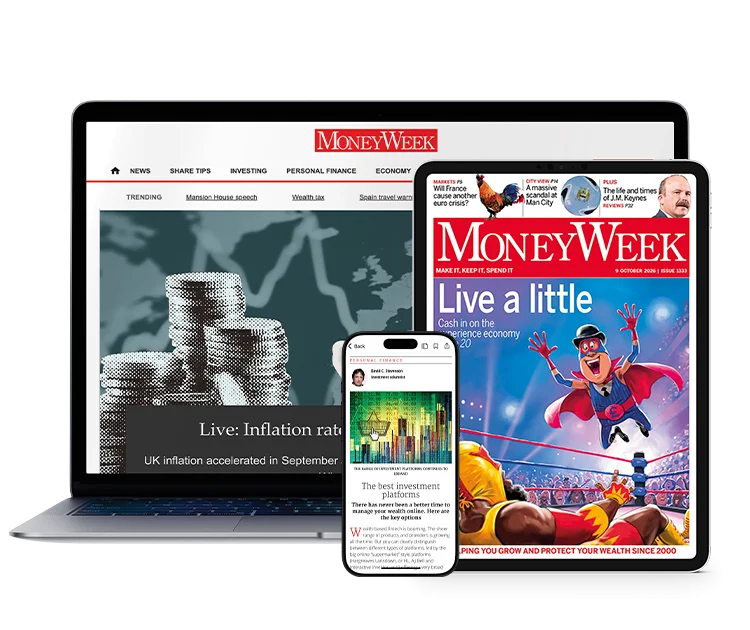
Before subscribing, make sure the option selected matches your needs and that you’re comfortable with its recurring cost. A low weekly equivalent can make a price easier to picture, but the full yearly amount is the figure to budget for. If you mainly want the app, for example, the digital plan has the lowest stated annual charge. If you want both paper and app access, the combined plan adds the digital features for a relatively small difference from print alone.
What subscribers receive
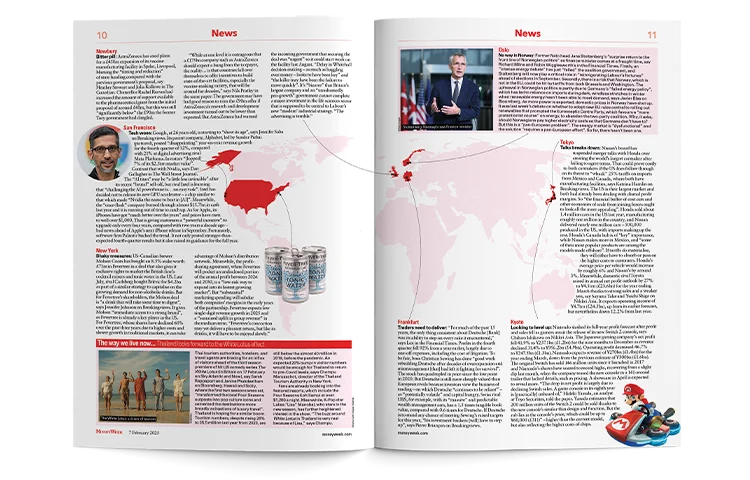
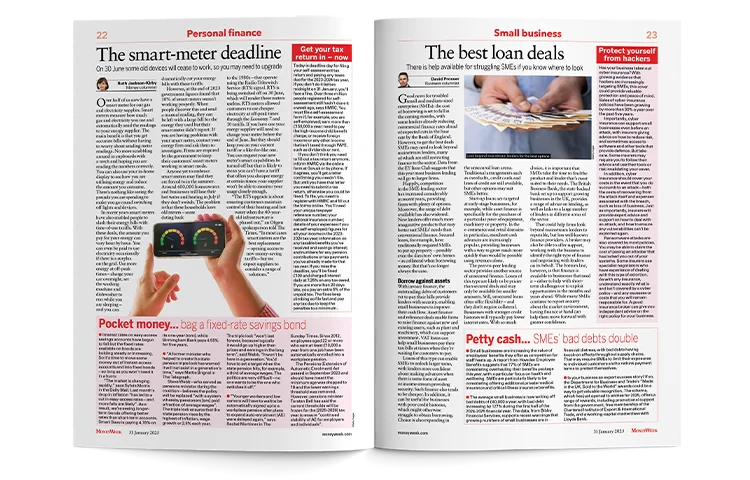
MoneyWeek’s weekly coverage includes analysis of financial markets, share ideas, pensions and housing, alongside economic developments. The stated aim is to help readers assess which financial stories matter and understand their possible relevance to household finances. The publication also describes offering retirement coverage and personal finance tips.
The digital plans add access through the MoneyWeek app on a phone, tablet or laptop. Subscribers can read exclusive articles and listen to the MoneyWeek Talks podcast there. All three plans include discounts to MoneyWeek events, though the offer does not specify the discount amounts or event details.
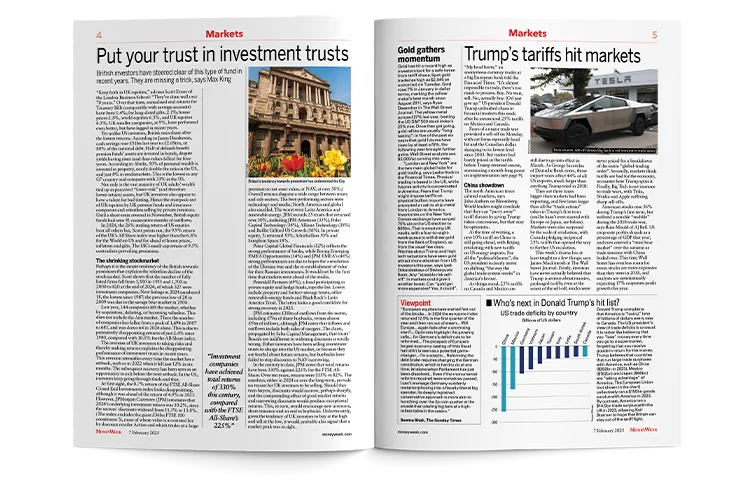
For a household deciding between formats, the useful question is how the subscription would fit into existing reading habits. Print provides a weekly magazine without requiring app use. Digital avoids print copies and costs less, while the combined plan provides both formats. The extra digital features matter most if you expect to use them; the offer does not provide a separate value for each feature.
Cancellation and refund terms
The subscription includes a money-back guarantee. If you’re dissatisfied, you may cancel at any time during the subscription and receive a full refund for issues that have not been mailed, provided the request is made within 30 days. The terms also allow subscribers to request a pause of up to three months.
Those conditions make the guarantee more specific than a simple promise of a full annual refund: the stated refund covers unmailed issues within the 30-day period. Review the subscription terms and conditions before purchasing if you want to understand how cancellation, refunds and pausing work.
The sale ends on 30 November 2026. Compare the full annual price and included formats, then choose the plan you’re most likely to use after the six free issues are over.