Stephen Yiu’s “Follow the Money” Approach to Changing Markets
Budgeting & Saving [email protected] (Cris Sholto Heaton) 967 reads
Blue Whale’s Stephen Yiu follows where spending is growing, shifting the fund from software toward AI hardware as company prospects change.
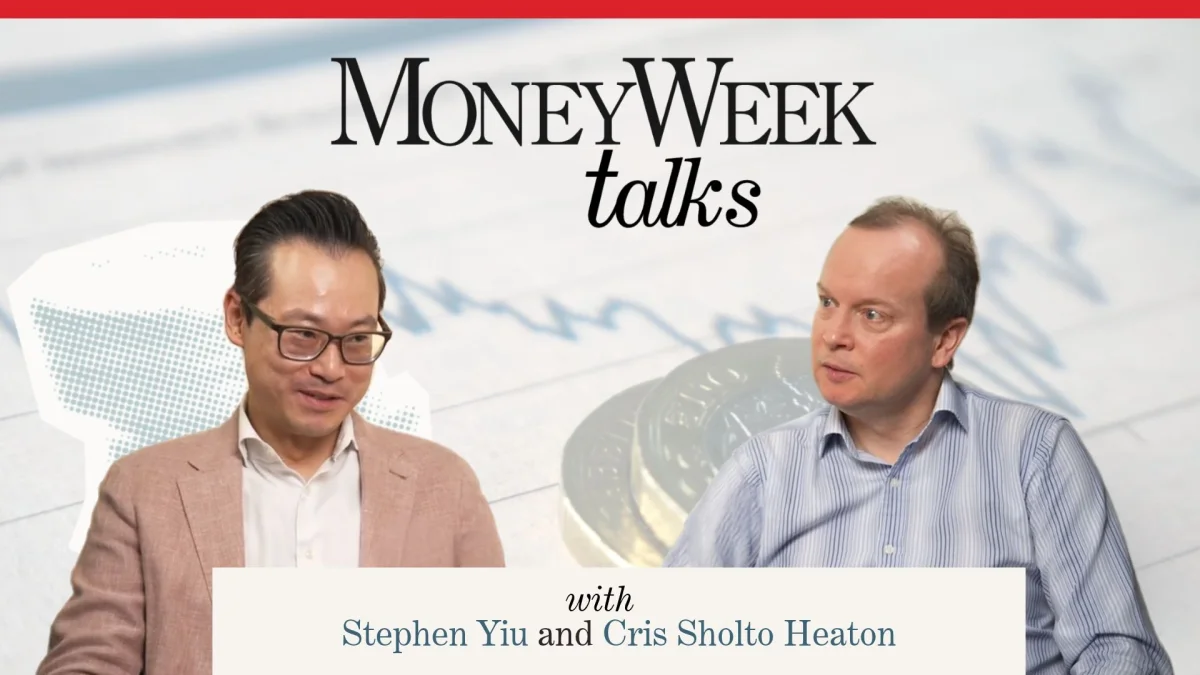
Stephen Yiu’s “Follow the Money” approach starts with a practical question: where is new spending going, and which businesses are positioned to receive it? That question has led Blue Whale Growth Fund to hold a large share of technology stocks in recent years. Yiu says the fund’s focus is not technology for its own sake. It is on companies whose earnings could benefit from changing patterns of spending.
Yiu groups spending into three sources: consumers, businesses and public bodies. A company may gain when one of those groups increases its purchases, but the pattern can shift over time. His account of the fund’s decisions shows why following a sector label alone can miss important changes within it: even businesses in the same industry can face very different prospects.
Why the fund changed direction
When Blue Whale began in 2017, Yiu says, companies benefiting from consumer spending were among the market’s leaders. He points to the decade up to 2022, when low interest rates, low inflation, globalisation and relatively little geopolitical uncertainty helped support consumer demand. In his view, companies exposed to consumer spending now face a harder environment.
Technology has since attracted more spending, with artificial intelligence becoming a more recent driver. But Yiu’s view is that a broad technology exposure doesn’t tell investors enough. The fund has changed its holdings as the expected beneficiaries and the businesses facing new risks have changed.
That means looking beyond recent share price performance or a company’s reputation. A business can have attractive qualities today and still face a challenge that weakens its future earnings. Yiu describes selling companies whose ability to earn money could be disrupted as a key part of an investor’s approach.
From software subscriptions to AI hardware
About two years before the interview, Blue Whale moved out of software companies that had been important holdings in its early years. Those businesses had shifted from selling one-time licences to subscriptions, creating recurring revenue. Customers could also face high costs when changing providers, which helped keep them in place.
Yiu’s concern was that AI could weaken that protection. Tools that make it easier to build software may also make it easier for competitors to offer alternatives, including smaller companies creating systems of their own. A company’s established customer relationships and subscription income may still matter, but investors need to consider whether a new technology could reduce the advantage those features once provided.
The fund’s technology exposure is now concentrated mainly in hardware companies. These include businesses benefiting from demand for chips and other components used to power AI systems. This shift reflects a distinction between companies that sell software and companies that supply the physical equipment needed to run it. The growth of AI may create opportunities for both, while also putting pressure on some existing business models.
For households following investment news, the broader lesson is that a popular theme does not make every company associated with it equally well placed. Investors still need to consider how a particular business makes money, what could interrupt its earnings, and whether customers have good alternatives.
Changing demand can reach unexpected sectors
Blue Whale has also added an oil and gas producer and, more recently, a refiner. Yiu links those holdings to the prospect of sustained high oil and fuel prices, which he associates with conflict and geopolitical tension. Those are uncertain conditions, and the fund’s position reflects its view of how they could affect prices and company earnings.
The additions illustrate how the fund’s search for companies benefiting from increased spending or changing conditions can lead beyond the sectors most often associated with growth investing. A company’s prospects may depend on physical supply constraints or shifting demand, as well as on technology. The link between a change in the wider world and a specific company’s earnings still needs to be examined rather than assumed.
Yiu also describes a holding in a European defence firm. He says the sector’s spending environment has changed since 2022, with faster growth, stronger balance sheets and changes to the companies’ financial relationship with their customers. He points to margins, free cash flow conversion and returns to shareholders as parts of his assessment. This example illustrates how an industry’s financial outlook can change when the amount of spending directed toward it changes.
Start with the company’s earnings
Yiu says Blue Whale considers broad forces, including geopolitics, but focuses on how those forces affect individual businesses. That is a bottom-up approach: the central question is what a development means for a company’s ability to earn money. A widely discussed trend matters to an investor only when it can be connected to the company’s customers, costs, competition or cash generation.
For large companies, Yiu argues, investors often have access to the same main information, and meetings with company leaders may not provide a lasting advantage. He says the useful test is whether an investor understands the business or the ecosystem around it better than the market does.
That test calls for more than spotting a fast-growing sector. It means asking who is paying, what they are buying, whether the company can keep its place as conditions change, and how the answers could affect earnings. Yiu’s approach is a reminder that portfolios can require revision as spending moves and business advantages come under pressure. For anyone assessing a fund or investment, the concrete takeaway is to look through the sector label and examine what drives each company’s revenue and what might disrupt it.