UK Interest Rates Rise to 4% as Inflation Pressure Builds
Debt & Credit [email protected] (Sam Walker) 967 reads
The Bank of England raised its base rate to 4%. Here’s what the decision could mean for mortgage borrowers, inflation and the outlook for rates.
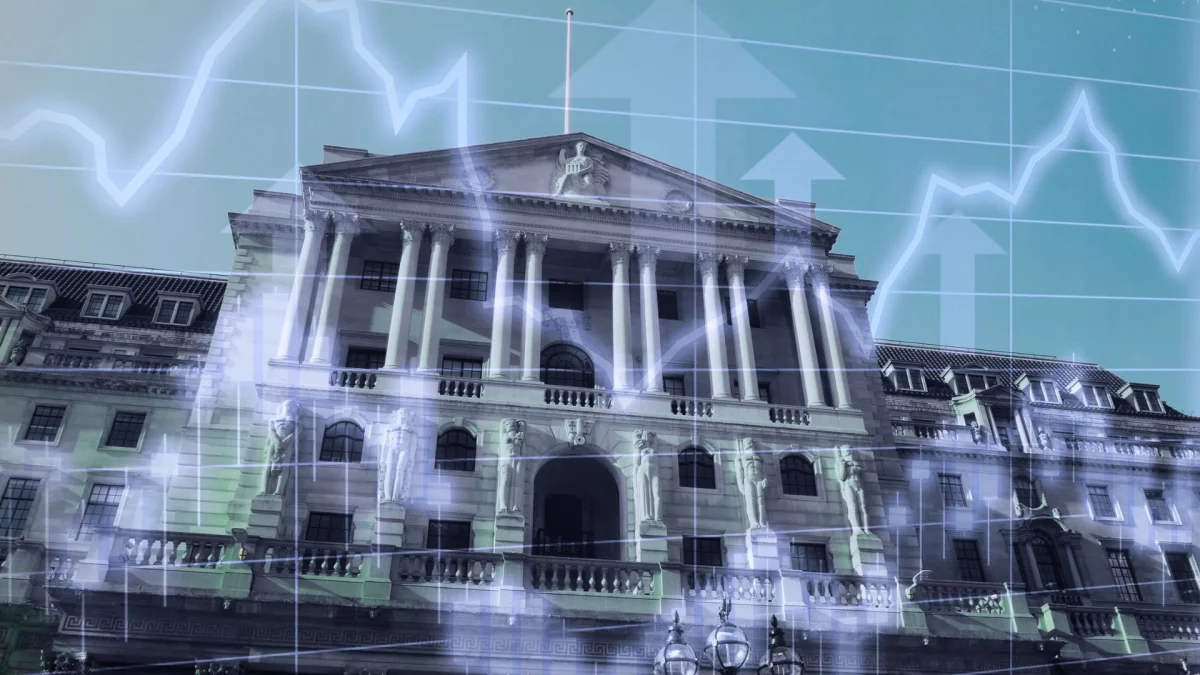
The Bank of England raised its base rate to 4% on 5 November 2026, its first increase in more than three years. The decision reflects concern that higher energy costs will feed into prices across the UK economy. For households, the effects will depend on their mortgage type, when a fixed deal ends and how savings rates respond.
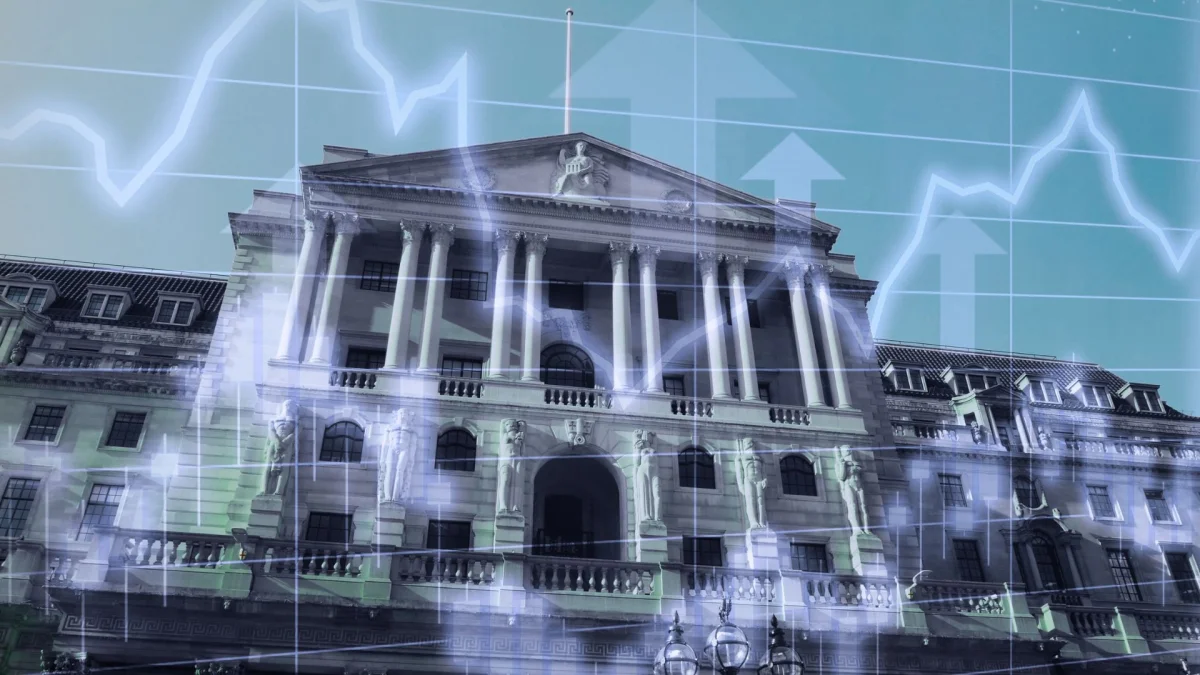
The Monetary Policy Committee (MPC) voted eight to one for a 0.25 percentage point rise from 3.75%. The remaining member preferred a larger increase of 0.5 percentage points. Before the decision, economists had expected the quarter-point move. The committee’s accompanying report points to another difficult stretch for inflation: it forecasts Consumer Prices Index (CPI) inflation could reach 5% by the middle of 2027, mainly because of energy costs and their effects on businesses.
Why rates rose
The Bank’s inflation target is 2%. CPI inflation was 3.5% in the 12 months to September 2026, up from 3.1% in August and 2.9% in July. Higher fuel costs have been a major source of pressure. Airfares, computer games and live events also pushed prices up in September, according to the Office for National Statistics.
Energy costs matter beyond household bills. When businesses pay more for fuel and power, they may pass some of that increase on through higher prices for goods and services. The MPC said it had seen little evidence so far of significant knock-on effects beyond energy, while warning that elevated costs had persisted long enough for those effects to emerge.
Andrew Bailey, the Bank’s governor, said rising energy prices had created “enough inflationary pressure in the pipeline” to justify an increase. He cautioned that the decision should not be read as the beginning of an inevitable, long run of hikes. At the same time, he said another rise seemed possible if the conflict in the Middle East continued. The committee will assess conditions at each meeting and respond as it sees fit to bring inflation back to its 2% target sustainably.
Economic conditions add to the picture. UK GDP grew by 0.5% between April and June 2026, following growth of 0.6% in the first quarter, according to the Office for National Statistics. Oil had also climbed from about $70 a barrel before the conflict in the Middle East to $96 on 5 November. Economists cited stronger growth and high energy prices among the reasons for expecting a rate rise.
What the outlook could mean for borrowers
A change in the base rate doesn’t affect every mortgage at once. People with fixed-rate deals generally keep paying the agreed rate until the deal ends. Some lenders had already adjusted their fixed mortgage pricing in anticipation of the MPC’s decision, and the increase may therefore have been reflected in offers available before 5 November.
Tracker mortgages tend to follow the base rate more directly, so borrowers on these deals are likely to feel a change sooner. Standard variable rate (SVR) mortgages may also become more expensive, although the timing and size of a lender’s change can vary. Anyone approaching the end of a fixed deal will face the rates then available when choosing a new mortgage.
Moneyfacts estimates that a 0.25 percentage point rise adds about £37 a month to repayments on a £250,000 tracker mortgage with a 25-year term. That is an example based on the stated loan size, term and rate change; a household’s actual repayment change will depend on its mortgage balance, remaining term and lender’s terms.
Borrowers renewing soon may want to check when their current deal ends and compare the options available at that point. The average new mortgage rate had already risen to 5.89%, from 5.83% at the start of October, Moneyfacts reported. That was below the 6.07% average recorded in November 2023, but it marked the highest level since then.
Fixed deals had become more expensive over the preceding year. Moneyfacts put the average two-year fixed rate at 4.94% in November 2025 and 5.97% in November 2026. The average five-year fix rose from 5.01% to 6% over the same period. These averages describe the market; the rate offered to an individual borrower can differ.
Rachel Springall of Moneyfacts said lenders were adjusting to volatile swap rates, which reflect the wholesale cost of borrowing and can influence fixed mortgage pricing. She said the lowest rates offered by major lenders were 0.44% higher than at the start of September. Lenders might ease back on sharp increases in the weeks ahead, she said, though some of the rise could remain in place.
Energy and food prices may keep pressure on budgets
Energy is the main reason the MPC expects inflation to climb further, but food prices are also on its radar. Food price inflation slowed during 2026 as pressure from labour and packaging costs eased. The committee expects food prices to rise in 2027, with El Niño weather conditions contributing to the risk.
The report suggests the effects may build gradually from early 2027, first showing up in fresh foods such as fruit and vegetables. The weather pattern could also affect energy markets by reducing biofuel output and hydroelectric generation. Lower water levels may disrupt transport, adding another possible source of pressure on costs.
For household budgets, these forecasts are a reminder that price changes can arrive through several routes. Higher energy costs can affect bills directly and may also raise the costs of producing or transporting food and other goods. The timing and scale of any pass-through remain uncertain.
What economists expect next
Views differ on how far rates may rise. Before the decision, Robert Wood of Pantheon Macroeconomics expected an eight-to-one vote for a quarter-point increase, citing economic growth and elevated gas prices. Alexander Harvey of Oxford Economics also forecast a rise to 4%, followed by another quarter-point increase to 4.25% in February 2027.
After the decision, Suren Thiru of the Institute of Chartered Accountants in England and Wales described the move as a “sizeable shift” in direction. He said the strong backing for the increase and the tone of the MPC’s report suggested further rises were probable, particularly if energy prices did not fall. His view was that a February increase was becoming more likely.
Deutsche Bank’s chief UK economist, Sanjay Raja, took a more measured view. He said the decision did not appear to mark the start of a lengthy sequence of increases, and described it as adding restraint to an already restrictive rate setting. He said tighter financial conditions since March weakened the case for going much further. Deutsche Bank expected one more increase to 4.25%, in either December or February.
The MPC’s next rate decision is due on 17 December 2026, followed by the first announcement of 2027 on 4 February. The committee makes decisions eight times a year, and publishes a detailed report alongside four of them. Those reports set out its inflation projections and assessment of the economy, giving households and businesses more detail on the reasoning behind its choices.
For now, the practical takeaway is to focus on the parts of household finances that respond directly to interest rates: the type and end date of a mortgage deal, the terms on any variable-rate borrowing, and the return available on savings. The next decisions will depend on how energy costs and wider price pressures develop, so the forecasts remain a guide rather than a promise.


