Daniel Ek’s Spotify Legacy: From Stockholm Startup to Music Streaming Giant
Retirement Planning [email protected] (Jane Lewis) 713 reads
Daniel Ek built Spotify around easy access to music, then expanded into podcasts and other ventures. His move from CEO to executive chair keeps him close to the company.
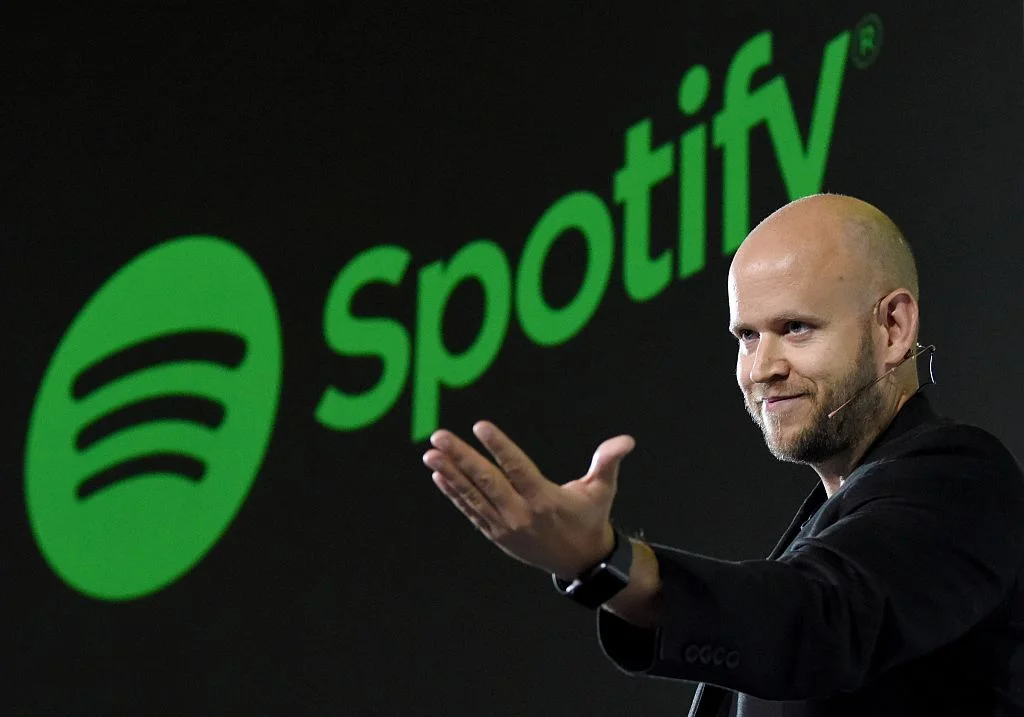
Daniel Ek’s move away from Spotify’s chief executive role marks a change in how the company is run, while keeping its founder close to its direction. After building the service into a major force in music streaming, Ek is handing day-to-day leadership to longtime colleagues Alex Norström and Gustav Söderström. He remains executive chair, a position that leaves him with influence over the business he has shaped for two decades.
The transition appears designed to preserve continuity. One major record label executive described Norström and Söderström as “kind of like clones” of Ek, and a former Spotify executive said the company would remain culturally Swedish and led by Swedes. That may matter to artists, labels and listeners: leadership changes at a company of Spotify’s scale can affect its relationships and priorities, even when the incoming leaders are familiar figures.
Ek’s path to Spotify began in Stockholm, where he started the company in 2006 while working as a software engineer in a “small makeshift office.” It took five years to persuade American music executives to let Spotify launch in the US. That expansion proved pivotal to the company’s growth. Spotify later went public in 2018, and Ek’s estimated fortune reached $8.3 billion, according to Bloomberg.
A different deal for listening to music
Spotify’s central bet was that listeners might accept access without ownership if they could reach a vast catalogue easily. At the time, digital music was shaped by Apple’s paid iTunes service, while piracy sites offered another route to songs. Ek argued that a legal service had to be more appealing than piracy while still compensating the music business. The model helped make streaming a routine way to listen, though it also changed how music earns money.
That shift came with lasting friction. Some musicians have argued that streaming pays too little or gives platforms too much power. Icelandic singer Björk called Spotify “probably the worst thing that has happened to musicians.” Taylor Swift also removed her catalogue from the service before later returning it. The Financial Times reported that Ek made repeated trips to Nashville to persuade Swift to bring her music back.
Those disputes point to a basic tension in Spotify’s success. Listeners gained convenient access to huge libraries, while artists and rights holders had to adapt to a system built around streams rather than individual album or song purchases. The arrangement has become familiar, but familiarity doesn’t settle arguments about whether the payments and control are fair. Spotify’s next leaders will inherit those debates along with the company’s large audience.
Ek’s company also had to contend with technology giants. Apple, Amazon and Google each had resources well beyond Spotify’s, yet Spotify became a leading player in music streaming. Its expansion into podcasts was another significant move, and the company’s shares have risen 310% since its 2018 public listing, according to the source account. That figure describes past performance; it doesn’t establish what the shares will do next.
From early web business to new ventures
Ek grew up in Rågsved, a working-class suburb of Stockholm, with an early interest in both music and computers. He received a guitar at four and a computer at five. By 14, he was building websites as a business, and at 16 he was earning more than his parents. He learned English by watching MTV and developed a Swedish-American accent.
After Google rejected him for a job because he lacked a degree, Ek founded online marketing company Advertigo. He sold it in 2006 and invested the proceeds in Spotify, becoming a millionaire from the sale. The route from a small web business to a global music platform reflects a recurring feature of his career: he has used technology to reshape familiar services, then looked for another area where software might change how people spend their time.
One such venture is Neko Health, a body-scanning service that has attracted investors and was valued at around $7 billion. When Neko opened a New York clinic in September, more than 50,000 people joined its wait list for a $499 AI-powered scan, according to Quartz. Ek has described a future in which a full scan could be as quick and simple as passing through an airport security screener. The service’s appeal will depend on whether people see enough value in the scan to justify its price and the time involved.
Ek has also faced criticism over his investment in Helsing, a German defence AI company. Some artists and Spotify users objected, while Ek dismissed accusations that he was funding “war machines.” That response has not erased the disagreement, and the issue adds another dimension to his public role beyond music and technology.
With Norström and Söderström taking over as co-CEOs, Ek can spend more time on projects outside Spotify while remaining its executive chair. His bet is that stepping back from daily management will let him retain influence without holding the chief executive title. For Spotify, the test will be whether its next leaders can maintain the company’s momentum while managing the continuing push and pull between listener convenience, business growth and artists’ concerns.