MoneyWeek Print and Digital Trial: Six Free Weeks and Quarterly Pricing
Retirement Planning [email protected] (MoneyWeek) 504 reads
The offer includes six free weeks, print and app access, then a quarterly subscription priced at £44.10, with options to pause or cancel.

A free trial can make a magazine subscription easier to assess, but the price and renewal terms matter just as much as the initial offer. MoneyWeek’s Print + Digital subscription starts with six weeks free, then costs £44.10 every quarter. The offer page also describes the trial as six free issues and gives the code MONEY27 to enter at checkout.
The quarterly price is shown against a crossed-out £48.99, making £44.10 a 10% reduction. The listed equivalent is £3.39 per week. That weekly figure is a way to compare the quarterly charge over time; the billing schedule remains quarterly, so a subscriber should plan for the full £44.10 payment when the paid period begins.
What the subscription includes
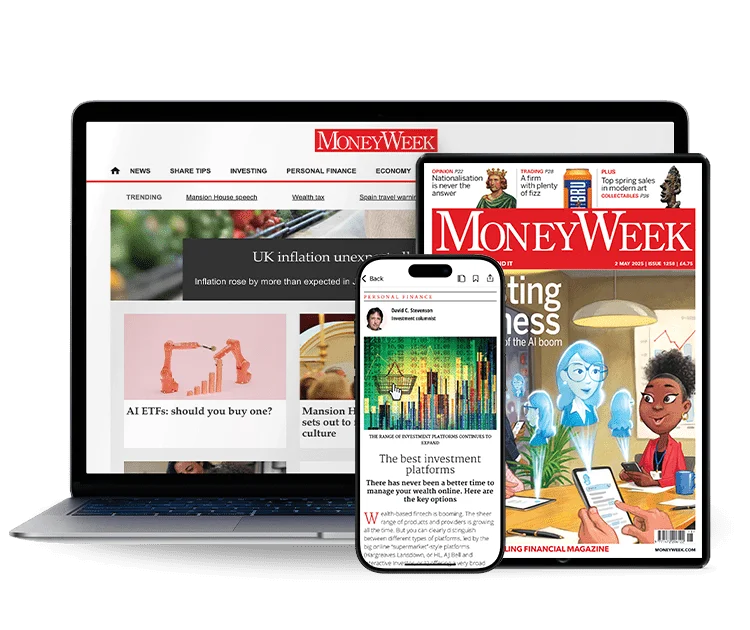
The Print + Digital package combines weekly magazine delivery with access to the digital edition through the MoneyWeek app. Subscribers also receive online articles and access to every episode of the magazine’s podcast. The offer is intended to bring several formats together in one subscription, so its usefulness depends on whether you’ll actually read or listen across them.
The print edition may suit readers who prefer a regular physical magazine, while the app gives access to a digital version. Online articles and podcast episodes add options for keeping up with the publication outside the weekly print format. Those features are part of the package described in the offer; the details provided do not specify separate prices for individual formats.
The magazine says its coverage includes financial markets, shares, broader trends and their potential effects on personal finances. It also covers pensions and housing, including changes that may affect retirement planning and analysis of house prices in the UK and elsewhere. These subjects can help readers follow developments and build context, but a magazine subscription is general information rather than a personal plan for a household’s finances.
Check the trial and renewal terms
The offer uses two descriptions of the free period: the opening promotion says six free issues, while the Print + Digital details say the first six weeks are free. Before completing checkout, check how the trial appears in the subscription details and note when the paid subscription is due to start. The code MONEY27 is to be entered in the box provided at checkout.
The terms say subscribers who decide the service isn’t right for them can cancel before the trial ends to avoid being charged. That deadline is the key point to keep track of: a free period only stays free if the cancellation is completed in time under the stated terms. A calendar reminder can help, especially if you’re comparing several subscriptions or managing bills that renew at different points in the month.
After the trial, the subscription continues at £44.10 per quarter, according to the offer. The page also says subscribers can pause or cancel at any time. Its terms describe a full money-back guarantee after the trial, with a refund for unmailed issues if a subscriber cancels during the subscription and requests it within 30 days. A pause of up to three months is another option. Review the terms before relying on any of these choices, including how to request a pause or cancellation.
Work out whether the price fits
For a simple budget check, set aside the actual quarterly amount rather than treating £3.39 as a weekly bill. If you keep the subscription beyond the trial, the ongoing charge is £44.10 every three months at the listed offer price. That makes the likely value less about the headline discount and more about how often you use the magazine, app, articles and podcast.
A useful way to decide is to identify which parts you expect to use. Someone who reads the print edition each week may value delivery most; another reader may prefer the app or podcast. If you’re unsure, the trial gives you time to try the included formats before the first paid period. Keep an eye on the date when that period begins and compare the continuing cost with the reading and listening you’re getting.
The terms also explain that an annual subscription comprises 52 issues, with four extended issues during the year, each counting as two issues. That detail helps clarify how the publication counts its issues across a year. For this offer, the practical takeaway is straightforward: confirm the trial length at checkout, save the renewal date, and decide before the first £44.10 quarterly charge whether the subscription is earning its place in your budget.
Read the subscription terms and conditions.
figure>