Yard Sale Finds, Store-Brand Batteries and an Early Start on Holiday Gifts
Budgeting & Saving Belinda 904 reads
A week of small household savings: free yard-sale lamps, a $3 desk, store-brand batteries at $3.77 versus $7.94, and early holiday gift sorting.

Small savings rarely make headlines, but a single ordinary week shows how much they can add up to. Between yard-sale finds, a battery swap and a bit of holiday planning, one household's routine offers a useful look at how frugal habits work in practice.

The battery math is the most striking part
Batteries are one of those purchases most of us stopped checking years ago. That's a mistake, because the price gap can be wide. At Walmart, an eight-pack of double AA Energizer batteries was listed at $7.94 and a Rayovac eight-pack at $6.97. The store's Great Value double AA eight-pack came in at $3.77.
Do the subtraction and the picture gets clearer. The Great Value pack costs $4.17 less than the Energizer pack, which is roughly half the price. Even against the Rayovac, the saving is about $3.20 per pack. For a household that keeps a few clocks, remotes or toys running, that gap adds up quickly.
The trade-off is performance. Name-brand batteries are often bought for longer life, and that matters most in devices that drain power steadily, like wall clocks or smoke alarms. Store brands may suit low-drain items better than high-drain gadgets. The honest test is to track how long each set lasts in the same device, which is exactly the kind of experiment worth running before you switch your whole stock.
Secondhand is a habit, not just a bargain
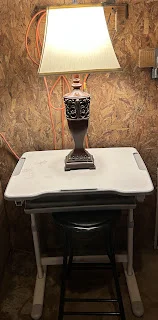
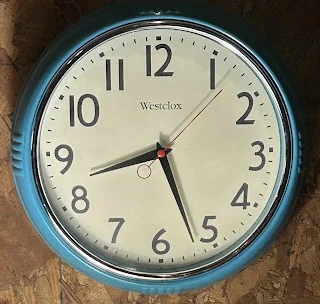
This week's secondhand haul was modest, and that's the point. A desk picked up at a yard sale for $3.00. A clock found at Goodwill for $4. Lamps from a free yard sale, moved downstairs to the shop where the light was needed. None of these purchases was a big decision, and that's what makes them easy to repeat.

Secondhand shopping works best when you can inspect what you're buying. Plug in lamps and clocks before you pay, check cords for fraying, and confirm that a timepiece actually keeps time. Thrift stores can also surprise you. In this case, a couple of gifts turned up still sealed in their original packaging, which is a reminder that new items sometimes end up in donation bins too.
The same logic applies to holiday gifts. Shopping the secondhand market in the months before December spreads the cost out and keeps you from paying peak prices in a rush. It's also a good moment to take stock of what you've already bought.
Fixing small problems yourself
A broken bulb in the dining room fixture is a classic example of a small repair that costs little to handle at home. The method was simple: switch off the power at the house, use a stepladder and needle-nose pliers to remove the old bulb, fit a new one, then vacuum up the broken glass before restoring power. Done carefully, that's a job that avoids a service call.
Safety is the part to take seriously. Always cut power before working near a fixture, and clean up glass with a vacuum rather than bare hands. Wet leaves on steps and walking paths deserve the same caution. Racking leaves off paths and brushing steps clear is cheap prevention against a fall, and a fall can cost far more than any repair.
The same spirit applies to chores like mopping under heavy furniture. Moving a china cabinet to clean behind it also turned up dozens of misplaced cat toys, a reminder that a deep clean sometimes doubles as an inventory check.
Small routines and a few personal notes
Not every part of the week was about money. Two days of physical therapy for back arthritis and a daily walk of more than 10,000 steps made up the health side. Those routines don't come with a price tag, which is part of their appeal. The writer also shared a workout playlist and invited readers to suggest their own motivating songs, a simple way to build community around a habit.

What's worth carrying forward is the pattern. Check the price gap before you default to a familiar brand. Look at secondhand options first for items that don't need to be new. Handle simple repairs safely and yourself when you can. And start holiday planning early, while you still have time to compare options.
Next week will show whether those Great Value batteries hold up in the downstairs clocks. That's the kind of follow-up that turns a single good deal into a lesson you can actually use.