MoneyWeek Wealth Summit 2026: A Day of Ideas on Markets, Income and Growth
Earning & Side Hustles [email protected] (Cris Sholto Heaton) 404 reads
The 6 November summit in London will cover AI, global income, UK markets, digital assets and more, with breakfast, lunch and evening drinks included.
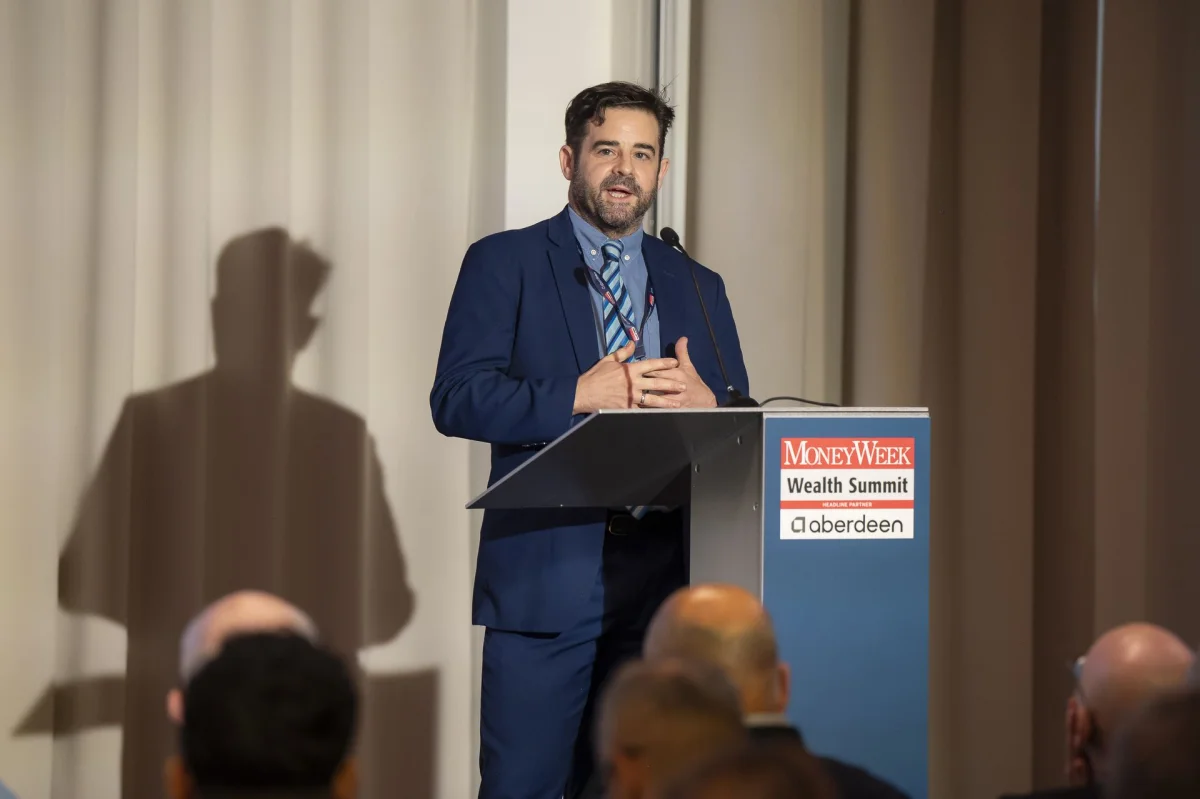
Investors facing rapid change will find a broad agenda at the MoneyWeek Wealth Summit on Friday 6 November 2026. Sessions at Together at 88 Wood Street in the City of London will range from global competition and inflation to income, UK companies and emerging technologies. The day is designed to put different investment questions side by side, including where growth may come from and what could make familiar approaches less effective.
Tickets cost £219 for MoneyWeek subscribers and £299 for non-subscribers. Breakfast, coffee, lunch and an evening drinks reception are included. The agenda sets out the sessions, while ticket information is available online.
Global pressures and the search for growth
The opening discussion pairs historian and global history professor Peter Frankopan with MoneyWeek’s Andrew Van Sickle. Their conversation will consider how rising tensions between the United States, China, Russia and other powers could shape international relations and markets.
The programme starts from the view that competition between countries may increase as cooperation becomes harder. For investors, that raises questions about exposure to energy prices, inflation, interest rates, trade and financial markets. The panel featuring Dominic Scriven of Dragon Capital and Vietnam Enterprise Investments, Jasmine Yeo of Ruffer, and Stephanie Kelly of Lombard Odier will examine those themes, including what they could mean for emerging markets, shares and bonds.
Europe gets a closer look after the first coffee break. Rory Stokes of Janus Henderson and European Smaller Companies will discuss how to identify growth businesses in a region often seen as short on dynamism. The session puts the focus on the challenge of finding companies with room to expand, rather than assuming that a whole region will perform alike.
Technology is another major thread. Richard Clode of Janus Henderson and Bankers Investment Trust will assess the investment implications of the artificial intelligence boom. The question is whether this cycle offers opportunities that differ from earlier waves of technology, and how investors should think about its risks over a trend that could stretch across decades.
For people who value regular income, Martin Connaghan of Aberdeen and Murray International will discuss a global approach spanning developed and emerging markets. A portfolio that seeks both income and growth can offer diversification across regions, though its results will still depend on the assets it holds and conditions in the markets where it invests.
Resources, funds and Britain’s markets
Tom Bailey of HANetf will examine how shifts in technology and international tensions may shape companies involved in defence. The discussion addresses a sector influenced by changes in security needs, with attention to which businesses might benefit and the risks investors need to weigh.
Demand for critical metals forms the basis of Olivia Markham’s session. Markham, of BlackRock and BlackRock World Mining, will explore whether supplies can keep pace with uses such as data centres for artificial intelligence and electric vehicles. The prospect of stronger demand can matter to mining businesses, but supply constraints and commodity prices are part of the picture.
The lunchtime exchange-traded fund masterclass looks beyond the familiar role of these funds as low-cost trackers of major stock markets. Natali Monardo of IncomeShares, Dan Gold of Stratiphy and Jamie Gordon of VettaFi will discuss recent trends and how these products might fit into portfolios. The practical question is what a particular fund offers and how that role fits with an investor’s wider mix of holdings.
After lunch, a live recording of MoneyWeek Talks will turn to Britain’s economic prospects and household financial planning. Host Kalpana Fitzpatrick will be joined by independent economist Julian Jessop, multi-asset manager Emma Moriarty of Capital Gearing, and adviser Lisa Conway-Hughes of LCH Wealth. Topics include the prospect of growth across the country, how bond investors view spending plans, and potential implications for personal finances.
The UK share market also gets a fresh assessment. Ian Lance of Redwheel and Temple Bar will discuss value stocks, many of which are found among larger UK companies. He will consider whether such holdings can diversify a global portfolio heavily shaped by technology and growth companies, and how they may behave amid international uncertainty.
Investment trusts are another UK focus. Some have faced widening discounts and pressure from activist investors, while efforts to improve performance may be changing the picture. Tom Treanor and Charlotte Cuthbertson of Asset Value Investors and MIGO Opportunities will discuss whether current discounts represent value and why a clear catalyst may matter when assessing the chance of that value being recognised.
At the afternoon coffee break, Ben Ritchie of Aberdeen and Dunedin Income Growth will take questions about overseas buyers purchasing UK companies at low prices and how investors might respond. The session extends the day’s UK focus from company valuations to ownership and the choices available to shareholders.
Early-stage businesses, digital assets and space
The final sessions turn to areas seeking substantial growth. Shane Gallwey of Guinness Ventures will explain the role venture capital trusts play in helping early-stage companies raise capital and expand. The discussion will also address how changes to tax relief on VCT subscriptions may affect investor demand.
Digital assets and tokenisation will be debated by MoneyWeek contributor Charlie Morris of ByteTree and Izabella Kaminska of The Blind Spot, who has moved from scepticism toward partial acceptance. Their central question is whether these technologies could reshape financial transactions or amount to a new way of moving records and payments through the system.
Rob Desborough of Seraphim Space will close the main agenda with a look at space-related businesses. The sector combines technology with questions of international capability and security. Desborough will set out the potential opportunities and risks for investors in an area that is attracting attention alongside artificial intelligence.
The evening reception gives attendees time to continue those conversations with other guests and MoneyWeek contributors. With sessions covering established markets as well as newer sectors, the day’s practical value lies in comparing the assumptions behind each investment theme and asking what could change them.
Book a place for the event at Together at 88 Wood Street. Tickets are £219 for subscribers and £299 for non-subscribers, with meals, coffee and evening drinks included.