Budget changes: what workers, borrowers, pensioners and ISA savers need to know
Debt & Credit Jessica Sheldon 928 reads
Frozen tax thresholds may trim wage gains, while student loan rules, Pension Credit and ISA limits shape what households keep.
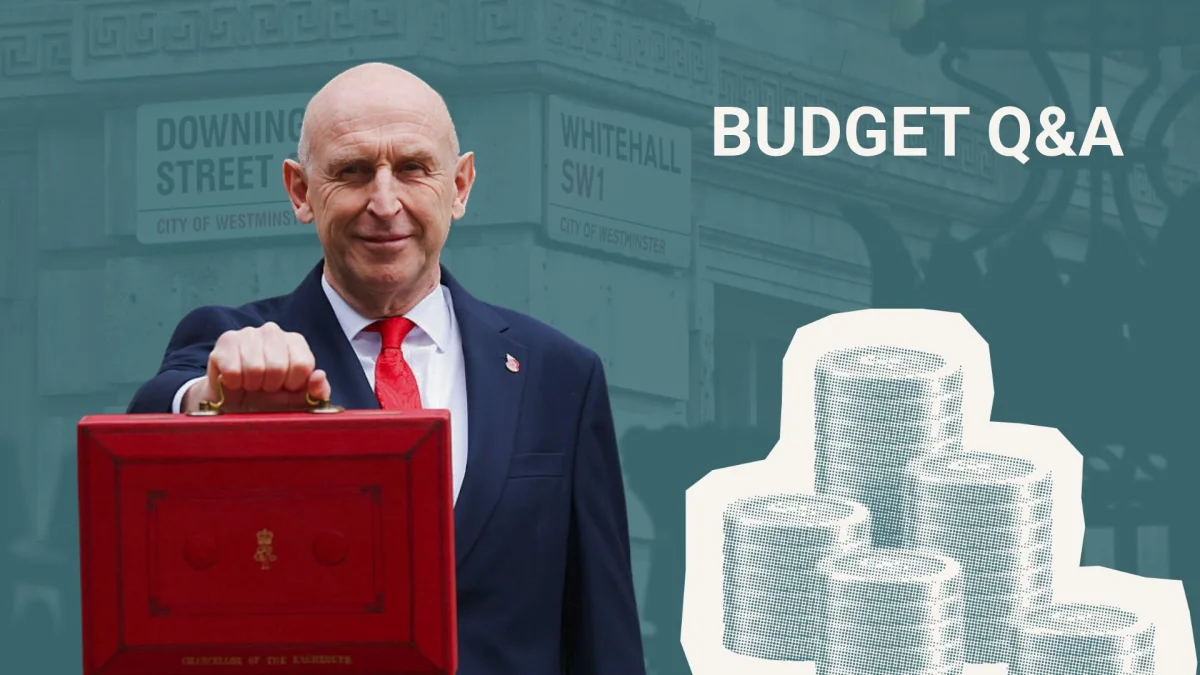
The 2026 Autumn Budget left several everyday money questions unresolved. Income tax thresholds remain frozen, student loan interest and repayment rules continue to affect borrowers, and the Help to Buy ISA property cap still rules out a bonus for some first-time buyers. There are changes too: Pension Credit is due to rise in April 2027, and the Lifetime ISA withdrawal charge has been addressed.
The Budget also raises the tax rate on savings interest and property income from next year, affecting savers and landlords. A reader survey of 895 people found that 48% said the Budget “left much to be desired” and 24% called it “catastrophic”; 13% said it was “okay”, 10% were “indifferent” and 5% thought it was “great”. Here’s how the measures discussed may affect different households.
A higher minimum wage may not mean the same rise in take-home pay
Workers on the minimum wage should receive more in pay if the rate rises, but a frozen personal allowance can reduce how much of that increase reaches their bank account. The personal allowance is the amount someone can earn before paying income tax. When wages rise while the allowance stays fixed, more earnings can become taxable. This effect is known as fiscal drag.
Income tax rates don’t need to change for a worker’s tax bill to grow. A pay rise can push more of their income above the tax-free threshold, so the increase in disposable income may be smaller than the increase in gross pay. For anyone budgeting around a wage rise, the useful figure is the extra amount left after tax each month. The precise change depends on the person’s pay and circumstances.
Student loan interest is only part of the repayment picture
For Plan 2 borrowers, the earnings threshold has been frozen in several periods: from 2016 to 2018, from 2021 to 2025 and, as planned, for three years from 2027. It had originally been intended to rise each year in line with earnings. A Treasury Committee called for the freezes to be reversed, but that recommendation was rejected. A proposed switch from the Retail Prices Index (RPI) to the lower Consumer Prices Index (CPI) measure was also turned down.
One change is scheduled for February 2030. A separate RPI rate will no longer be produced, and the measure will align with the Consumer Prices Index including owner occupiers’ housing costs (CPIH), which tends to be slightly lower. Until then, borrowers should keep in mind that the interest added to a loan balance doesn’t always equal the amount they’ll ultimately repay.
Many Plan 2 borrowers won’t repay their full balance before the debt is written off. For them, the monthly repayment may matter more to their household budget than the headline balance. Plan 3 borrowers face a different trade-off: their interest rate will be lower for some people, but their loans are written off after 40 years rather than 30. More borrowers may therefore repay in full, and average earners may carry the debt longer and accrue more interest before clearing it.
Pension Credit is set to rise alongside the state pension
From April 2027, both the new state pension and the basic state pension are due to rise by 3.9%, matching the increase in average earnings over the previous year. Pension Credit is set to rise by the same percentage. Its weekly amount for a single person is due to increase from £238 this year to £247.30 next year.
Eligibility depends on income. If a person’s income, including their higher state pension, remains below the new Pension Credit amount, they should still receive the benefit. Pension Credit isn’t subject to income tax, unlike the state pension. Anyone planning their retirement income can therefore treat the two payments differently when working out what they may have available after tax.
Help to Buy ISA buyers still face the existing price cap
The Help to Buy ISA closed to new accounts after the Lifetime ISA was introduced in 2017, but people who already have one can continue paying in up to £200 a month until 30 November 2029. The bonus is 25% of savings, up to £3,000. To qualify when buying a first home, the property must cost no more than £250,000, or £450,000 in London.
That cap has not changed. A buyer whose agreed purchase price is £259,000 won’t qualify for the Help to Buy ISA bonus if the property is outside London, even if they have saved for years. The difference between the purchase price and the £250,000 limit can therefore determine whether the bonus is available.
Lifetime ISA rules offer a separate route, with conditions
Lifetime ISA holders can receive a 25% bonus on contributions, up to £1,000 a year, until they turn 50. Contributions are limited to £4,000 per year. For a first-home purchase, the buyer must wait at least 12 months after their first Lifetime ISA contribution before using the savings and keeping the bonus. The property must cost £450,000 or less.
The Budget addressed the Lifetime ISA charge for unauthorised withdrawals and set out plans for a First Time Buyer ISA from April 2029, also with a £450,000 property price cap. It did not change the Help to Buy ISA limit. For buyers comparing these accounts, the key details are when they can access the money, the property price cap and whether their purchase will meet the account’s bonus conditions.
Across these changes, the practical question is what reaches a household’s monthly budget: take-home pay after tax, loan repayments, retirement income after tax, or an ISA bonus that depends on the purchase meeting its rules. Checking those details before relying on a projected amount can help avoid a shortfall at a costly moment.