MoneyWeek Subscription Offers: Compare Print and Digital Costs
Retirement Planning [email protected] (MoneyWeek) 392 reads
Compare MoneyWeek’s print and digital plans, including introductory issues, quarterly prices, included features and refund terms.
MoneyWeek offers two subscription choices for readers who want regular coverage of markets, personal finance, pensions and housing: a print and digital plan, or a digital-only plan. Both include six introductory issues and a reduced price for each 13-issue billing period. The practical choice comes down to whether you’ll use the weekly print magazine enough to justify the difference in cost.

Compare the two plans
The print and digital subscription costs £39.19 every 13 issues after the first six issues. The listed regular price is £48.99 for the same period, so the offer price is £9.80 lower per 13 issues. The page also describes the price as £3.01 a week.

The digital plan costs £26.39 every 13 issues after six free issues. Its listed regular price is £32.99, making the offer price £6.60 lower for that period. The page gives an equivalent weekly figure of £2.03.

| Plan | Introductory offer | Price after six free issues | Included access |
|---|---|---|---|
| Print + digital | Six free issues | £39.19 every 13 issues; listed regular price £48.99 | Weekly print magazine and digital edition |
| Digital | Six free issues | £26.39 every 13 issues; listed regular price £32.99 | Digital edition |
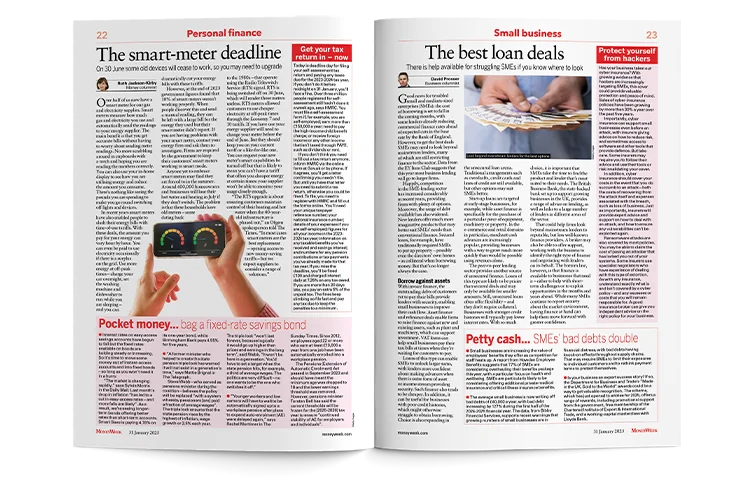
The print and digital option costs £12.80 more than digital for each 13-issue period at the offer prices. That extra amount buys the print edition; both plans also include access to the digital edition, the MoneyWeek app’s articles and MoneyWeek Talks podcast, and discounts to MoneyWeek events. Consider how you actually read: if you mainly use a phone, tablet or laptop, digital includes the listed app benefits without the print copy. If you prefer a magazine you can read away from a screen, the combined plan adds that format.
Check the billing and issue terms
The prices are stated per 13 issues, and the offer does not describe a monthly billing amount. Compare plans using the same 13-issue period rather than treating the weekly equivalents as a separate payment schedule. The subscription terms say an annual subscription comprises 52 issues. Four extended issues are published during the year, and each counts as two issues.
That issue count matters when working out how long a subscription period covers: an extended issue uses two issues from the annual total. Before subscribing, check the terms and the details shown at checkout so the initial free issues, subsequent price and billing period are clear. The offer page says subscribers may pause or cancel at any time.
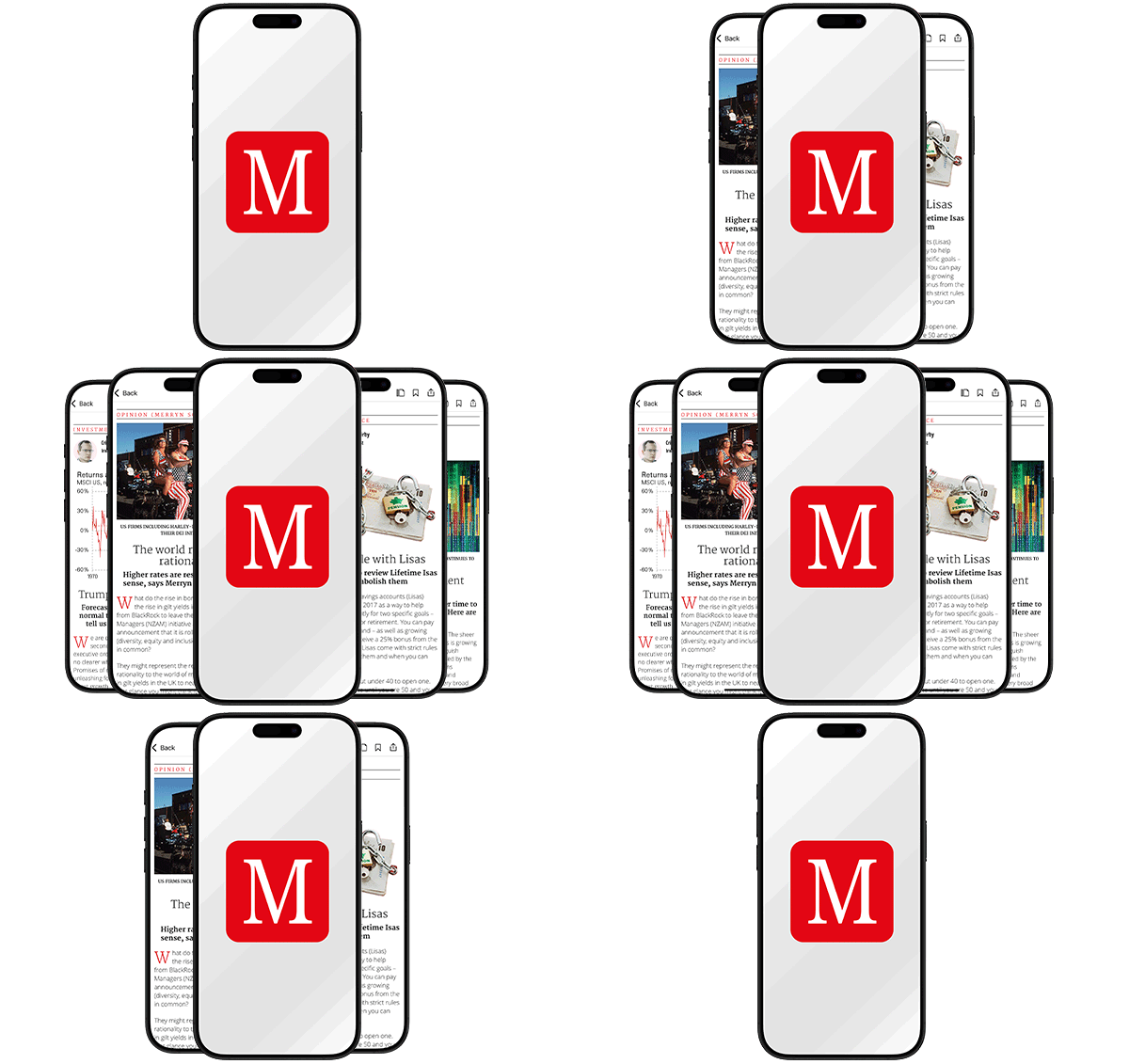
What the subscription includes
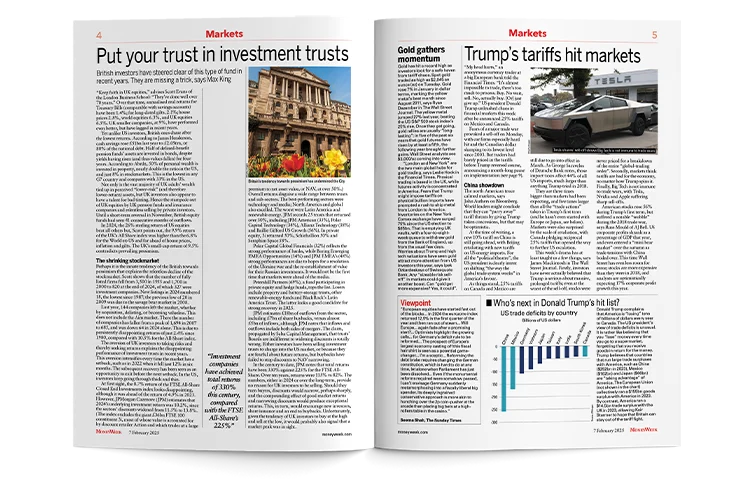
MoneyWeek describes its coverage as a mix of financial analysis and practical personal finance. Each issue includes weekly reporting on major developments in global financial markets and a roundup of share tips. Its analysis examines current trends and their possible implications for readers’ money, while its pensions coverage follows developments and rule changes that may affect retirement savings.
Housing coverage looks at house prices in the UK and internationally. The magazine also covers economic and political stories with financial consequences. For household readers, those subjects can help connect wider market and economic developments with decisions about savings, retirement and property. The coverage is general information; a magazine subscription does not replace advice tailored to an individual’s finances.
Both plans include the digital edition on a phone, tablet or laptop, access to exclusive articles and the MoneyWeek Talks podcast through the app, and discounts to MoneyWeek events. The combined subscription adds the weekly print magazine. Those features may be useful if you’ll read across formats, but their value depends on how often you use them.
Refund terms to review
The offer describes a money-back guarantee. If a subscriber is dissatisfied, they may cancel during the subscription and receive a full refund for issues that have not been mailed, provided the request is made within 30 days. The terms and conditions are available on the subscription terms page.
Read those terms alongside the offer before signing up, especially if you’re deciding whether the print edition is worth the additional cost or want to understand how cancellation and refunds apply. The clearest comparison is the price for each 13-issue period, the formats you’ll use and the guarantee’s stated 30-day window.