£100 Energy Payment: Who Qualifies and When It Must Be Claimed
Budgeting & Saving [email protected] (Sam Walker) 972 reads
Around 20 million English households may qualify for £100 as bills rise in early 2027. Payment routes and claim deadlines depend on how you pay.
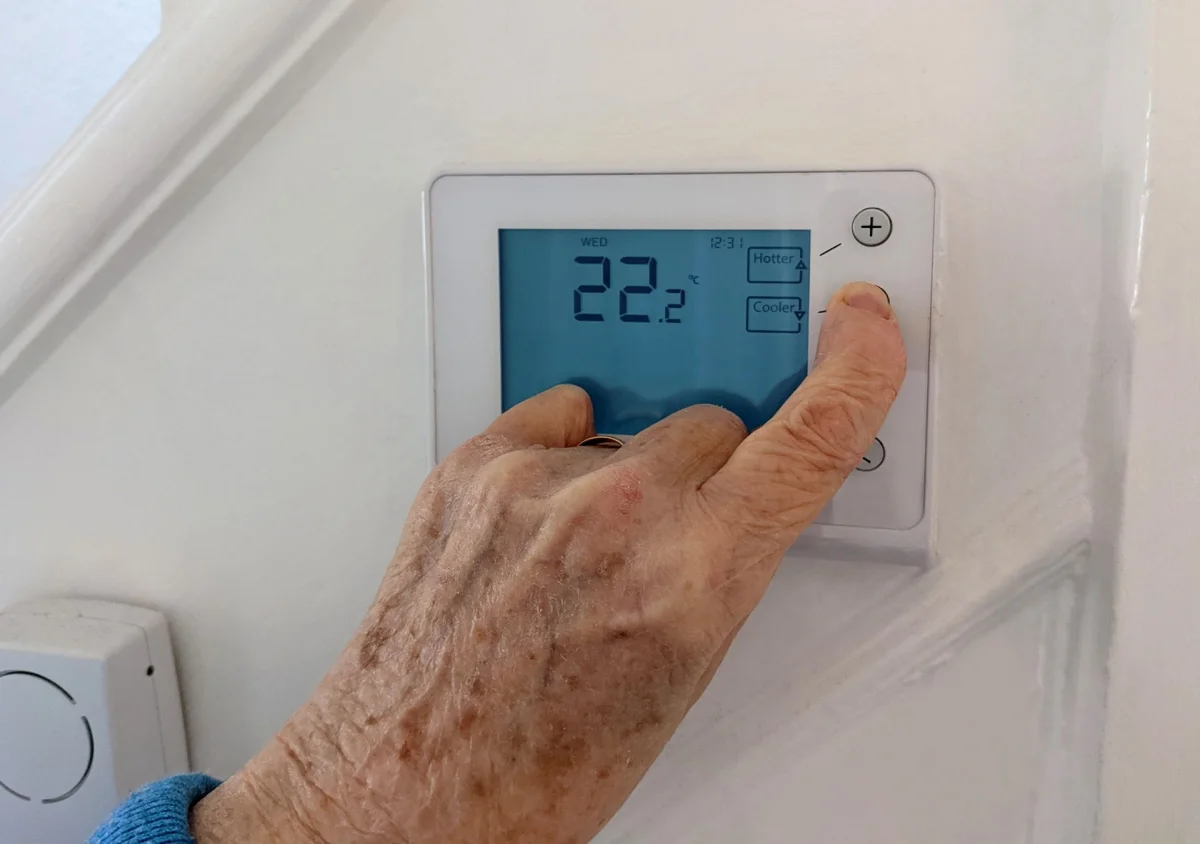
A £100 energy payment will offer some help with winter bills in early 2027, but it is much smaller than the rise forecast for a typical household’s annual costs. Around 20 million households in England are eligible, with the way the money arrives depending on whether energy bills are paid by direct debit.
The payment is due from January, when the energy price cap is set to rise by 26%. That increase is expected to add £443 to the average household’s annual bill for the period from 1 January to 31 March 2027. For a typical dual-fuel household paying by direct debit, the annual bill is forecast to rise from £1,723 to £2,166.
How the £100 will reach households
Thirteen million households in England are expected to receive the money directly into their bank accounts from 4 January. To qualify for this route, a household must pay for energy by direct debit and be in council tax band A, B, C or D.
About seven million other eligible households in those council tax bands do not pay their energy bills by direct debit. Their council will contact them to ask whether they prefer a bank transfer or a credit on their council tax account. This means the payment won’t necessarily arrive automatically: people contacted by their council will need to respond and choose how to receive it.
The claim window for these households runs until the end of May 2027. The final date to contact the council is 31 May 2027; payments won’t be made after that date. Anyone eligible who receives a request should check the instructions and deadline in the council’s message, then reply in time.
The arrangements described here apply to England. Scotland and Wales have received funding for similar schemes and have confirmed that they will offer them. The details provided for those schemes don’t set out their payment routes or deadlines, so households there should check the information for their own area.
Extra help may depend on local rules
English councils will also share a £100 million discretionary fund for households facing higher costs that may not qualify for the main £100 payment. Each local authority can set its own eligibility criteria, so access to this extra support may vary by area.
The stated expectation is that councils make a meaningful effort to identify households under particular pressure from energy costs. That can include households where health conditions or disabilities mean they need to use more energy. People who don’t meet the main payment rules but face high costs may want to ask their council what local support is available and how to apply.
The discretionary fund is separate from the £100 payment, and the information provided doesn’t specify how much any household might receive through it. Its value will depend on local criteria and decisions, so it shouldn’t be treated as a guaranteed top-up.
The payment won’t cover the projected increase
The scale of the price-cap rise matters when judging how far the payment can stretch. For the typical direct-debit household described above, the forecast annual bill increase is £443. A £100 payment is roughly 23% of that amount, leaving a sizeable gap if the forecast applies to a household’s costs.
Research charity Nesta estimates that households will be £174 worse off than last winter even after the payment is included. Its director, Katy King, says the help won’t cover the shortfall. The figures underline the payment’s limits: it provides some breathing space, but households may still face higher costs overall.
Wholesale energy prices, particularly gas prices, have risen amid tensions in the Middle East. The Bank of England’s Monetary Policy Committee has suggested inflation could reach 5% next year. That forecast adds to the pressure on household budgets, although it doesn’t tell any one household exactly how much its bills or other costs will change.
Small adjustments may help, but results vary
Katy King has pointed to practical steps such as lowering a combi boiler’s flow temperature and adjusting radiator valves. These changes may reduce energy use, but the amount saved will depend on the home, its heating system and how it is used. The source of the advice says such measures can shave hundreds of pounds off a winter bill; that should be understood as a possible saving, not a result every household can expect.
For a useful comparison, households can note their current settings and energy use before making an adjustment, then check whether consumption changes. Comfort matters too: reducing heat in a way that makes a home unsuitable for someone’s needs may not be a reasonable trade-off.
Debt advice charity StepChange has called for a social tariff that would give people on low incomes a discounted energy rate. That proposal is distinct from the announced £100 payment and is not part of the payment arrangements described here. For now, the practical steps are to check whether the household is in council tax band A to D, watch for contact from the council if energy isn’t paid by direct debit, and act before the May 2027 deadline. Households facing higher costs outside the main eligibility rules can also ask their council about its discretionary support.