A $2 Freezer Find Helps Make Frugal Soup Lunches Easier
Budgeting & Saving Belinda 642 reads
One-cup frozen soup portions turn a homemade batch into ready-to-heat lunches. The approach combines secondhand kitchen gear with simple meal planning.

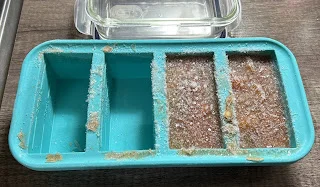
A secondhand kitchen find can make a frugal routine easier to repeat. Belinda paid $2 each for her Souper Cubes, then used them to portion homemade minestrone into one-cup servings for the freezer. The payoff is practical: a ready-to-use lunch portion and a clear way to save leftovers for another day.
Her method starts with a batch of Blue Zones Sardinia Minestrone Soup, cooked in an eight-quart Instant Pot. Once prepared, she divides it among the freezer molds. When she wants soup for lunch, she takes out one portion and pairs it with whatever else she’s eating. After using up the portions she had stored, she began soaking beans to make the next batch.
Make one batch work across several meals
Cooking a large pot of soup takes time, but portioning it right away makes that effort useful beyond the day it’s made. One-cup servings also give Belinda a consistent amount to reach for at lunchtime. The same general idea can work with other suitable leftovers: divide food into portions you’re likely to use, label them if needed, and freeze them in containers that fit your usual meals.
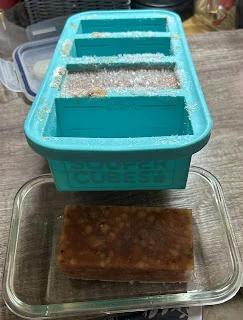
The habit can help reduce the chance that a large batch sits in the refrigerator until it’s forgotten. It also makes lunch planning less dependent on starting from scratch every day. A frozen portion is already measured, so it can be paired with other food without guessing how much soup is left in a large container.

The freezer molds were a secondhand purchase, which kept the upfront cost to $2 per mold. That price is specific to Belinda’s find; secondhand prices vary, and a bargain only helps if the item suits the way you cook and store food. For anyone considering similar equipment, the useful questions are straightforward: Will it hold a portion you’ll actually eat? Can you store it easily? Will you use it often enough to justify the space?

There’s no need to buy a special mold to try portioning meals. Containers already in the kitchen may do the job. The value lies in making the food easy to store and retrieve, not in having a particular brand or setup. If dedicated molds make freezing and releasing portions simpler for a household, a secondhand purchase can be one way to keep that routine affordable.
Build a routine around what you’ll eat
Belinda describes the soup as plant based and says it has been part of her weight loss journey, alongside a low-carb diet. She also says her diabetes improved during that journey. Those are her personal experiences, not a promise that the same food choices will have the same effect for someone else.
Her current meals aren’t exclusively plant based. She says she eats dairy for calcium and because she has osteoporosis, and often has non-fat Greek yogurt for breakfast. She tried plant-based yogurt and didn’t enjoy it. That’s a reminder that a budget-friendly meal plan has to fit the person eating it. A routine built around foods someone dislikes can be hard to keep up, even if those foods appear in popular meal plans.
For household budgeting, the practical lesson is to pay attention to what gets eaten, not just what looks economical on paper. A large batch only saves money if it becomes meals people want. Choosing familiar flavors, freezing convenient portions, and planning pairings can make leftovers more appealing and reduce food waste. The source doesn’t give ingredient costs or serving totals, so there’s no reliable per-portion savings figure to calculate.
Belinda’s week also included retina specialist appointments, two physical therapy sessions, and outdoor walks. On Wednesday, she walked the Greenway in Cleveland and later went to a walking track after physical therapy. She logged 20,755 steps that day, which she estimates as roughly ten miles using 2,000 steps per mile. The day’s activity wasn’t a money-saving strategy, but it shows how her meal preparation fits into a busy week with other commitments.
Keep the next batch easy to use
After the freezer supply ran out, Belinda started soaking beans for another pot of soup. That simple handoff from the last portion to the next batch helps keep the routine going. Households trying a similar approach can take stock before the freezer is empty, choose a recipe they already enjoy, and set aside time to portion the food once it’s cooked.
Her example is modest: a secondhand kitchen tool, a familiar soup recipe, and a freezer portion ready for lunch. Together, those small choices can make home cooking easier to repeat. The most useful frugal routine is one that fits the household’s tastes, schedule, storage space, and budget.