WPP, Marks & Spencer and BP show three different paths to recovery
Debt & Credit [email protected] (Ian Lance) 701 reads
WPP, Marks & Spencer and BP face distinct challenges, from weaker profits to a cyberattack and strategic change. Their recoveries depend on execution.
Recovery stories can look similar on a share-price chart while depending on very different things underneath. WPP needs to steady its profits as clients and technology reshape advertising; Marks & Spencer has to build on operational progress after a costly cyberattack; BP is changing how it allocates capital. In each case, the business may improve, but the route back depends on whether its specific problems prove manageable.
That distinction matters because a lower share price alone doesn’t show that a company is undervalued or likely to recover. A useful way to assess a troubled business is to separate temporary setbacks from changes that could cause lasting damage. Then consider what would need to happen for its earnings and finances to improve, and what could prevent that progress. These three companies illustrate how different those questions can be.
WPP must show its strengths still matter
WPP (LSE: WPP) is a large advertising and marketing group. Its shares have fallen amid declining profits, reduced client spending and concern that artificial intelligence could let advertisers work around agencies. That combination puts pressure on both current earnings and confidence in the company’s longer-term role.
The case for a recovery rests on the value WPP still offers clients: media buying, creative services and public relations, supported by established relationships with major advertisers. The experience of other large advertising groups that have continued to grow suggests that the sector’s difficulties need not explain all of WPP’s weakness. Some of the problem may come from how the company itself is performing.
New management is simplifying the organisation and working to improve execution. WPP is also using WPP Open, its technology and AI platform, with the aim of making its operations more integrated and productive. Those efforts could help the group compete as clients adopt new tools, but the platform’s existence alone doesn’t establish that it will reverse weaker profits. Investors would need to see improved performance and evidence that clients continue to value the services agencies provide.
WPP’s recovery therefore depends on two tests: whether its changes make the business work better, and whether its strengths remain relevant as advertising evolves. A return to past levels of success isn’t necessary for a business to improve, but stabilising profits would still need to be demonstrated. If client spending stays weak or technology changes the role of agencies faster than WPP adapts, the recovery case could falter.
Marks & Spencer’s progress has met a costly setback
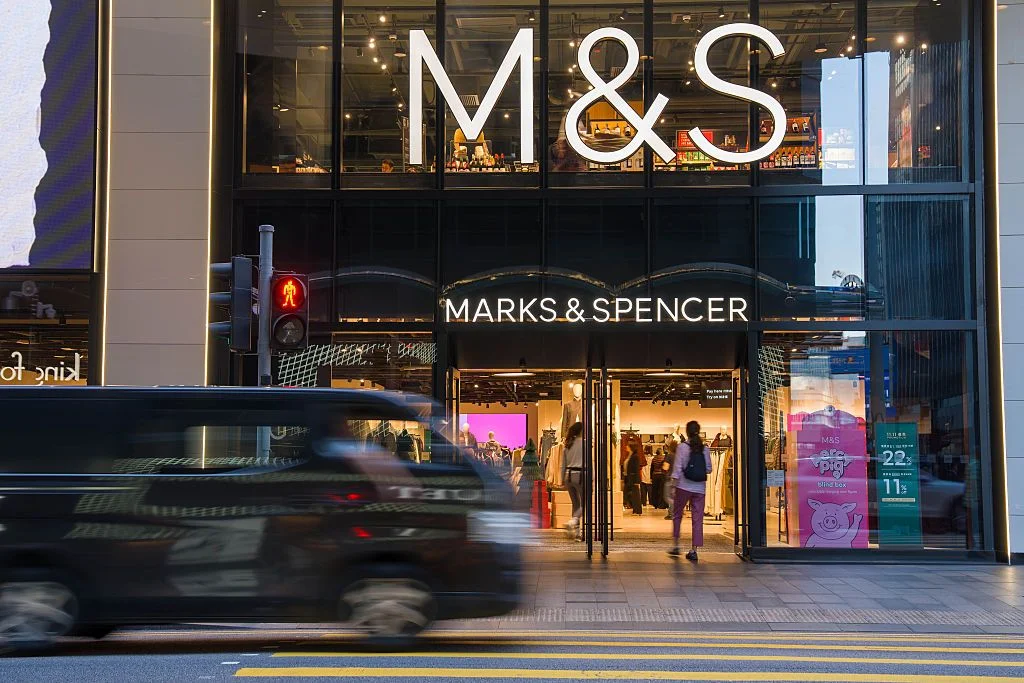
Marks & Spencer (LSE: MKS) offers a different kind of recovery story. After years of restructuring, its food and clothing and home divisions have improved their competitive positions. The company has also repaired its balance sheet, and management has restored the dividend.
Those changes suggest that the business had made progress before a cyberattack in 2025 disrupted trading and cost hundreds of millions of pounds. The incident was a major setback, but it didn’t erase the brand’s underlying strength. Management responded by accelerating an extensive programme to modernise the company’s IT systems.
That response points to both the opportunity and the risk. Better operations could support further profit growth, while modernising technology may help the company respond to the weaknesses the disruption exposed. But the scale of the cost makes it important to distinguish between long-term improvements and the work required to recover from the immediate interruption. Progress depends on the changes translating into steadier operations and stronger results.
For households familiar with the brand, it can be tempting to treat name recognition as proof that a retailer will thrive. It’s better understood as one asset among several: competition, execution, financial resilience and the ability to keep serving customers all matter too. M&S’s recovery hinges on sustaining the improvements made across its divisions while completing the technology work.
BP’s case turns on capital choices
BP (LSE: BP) has disappointed investors for years. Its earlier strategy directed substantial capital towards renewable energy while returns from its traditional oil and gas business lagged those of peers. The result was weak cash generation, rising debt and a share price that reflected those concerns.
BP has since begun reversing course. It is cutting lower-return investments, directing more capital towards higher-return oil and gas projects, reducing costs and selling assets outside its main focus. The company has also set tougher investment hurdles for new projects. Net debt fell materially during 2026, strengthening the balance sheet.
The key question is whether these decisions can produce more reliable cash generation and improve BP’s financial position. The recovery case doesn’t require assuming that oil prices stay permanently high; it rests on the company’s ability to choose projects carefully, control costs and manage its debt. Higher cash generation could also give BP more room to return money to shareholders, though the amount depends on business performance and the company’s choices.
These cases call for different evidence. For WPP, watch whether profits stabilise and its services retain value. For M&S, look for operational progress after the disruption and continued improvement across its divisions. For BP, focus on cash generation, debt and the results of its revised capital priorities. A recovery story becomes more credible when the business delivers those changes over time; a low price or a plan, by itself, can’t do that.