Nvidia after Jensen Huang: what past founder exits suggest
Earning & Side Hustles [email protected] (Matthew Lynn) 463 reads
Jensen Huang's abrupt exit has rattled Nvidia's shareholders, but Apple, Microsoft and Amazon show big tech can keep growing after a founder steps away.
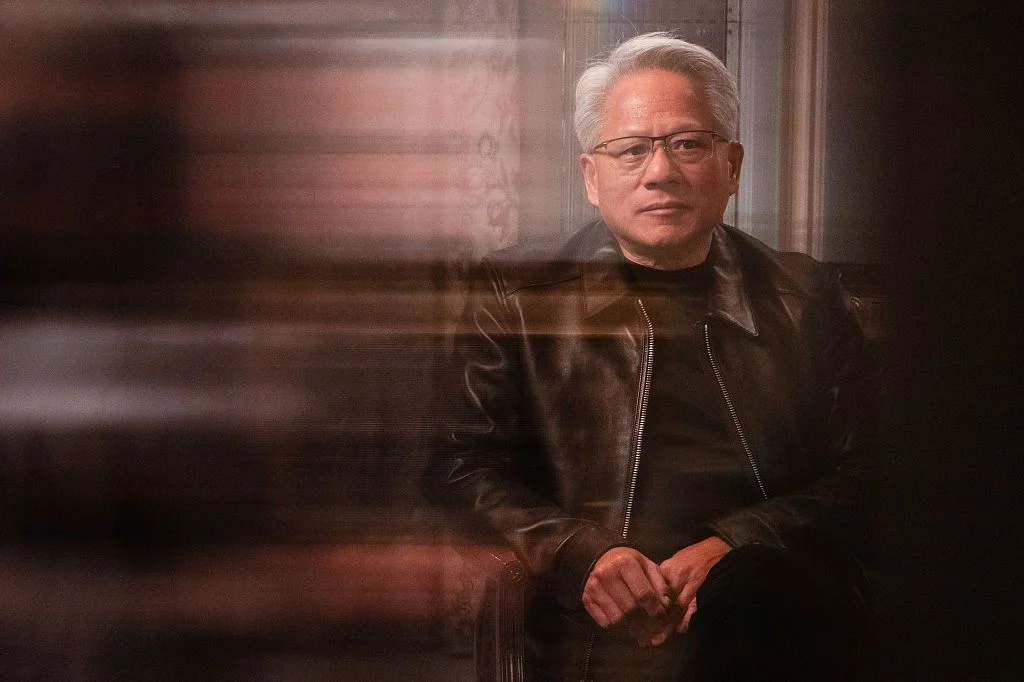
Nvidia's boss has left, and the speed of it is what unsettled people. Jensen Huang resigned by the end of a turbulent stretch after the board concluded that his personal conduct, including a relationship with a senior executive, could no longer be tolerated. He had led the company since he co-founded it more than three decades ago. Within days, there were already murmurs about whether he might return, though that looks hard to arrange without splitting the company's leadership.
Here's the thing: the market reacted the way you'd expect. Nvidia's shares fell 13% on the news, wiping out tens of billions of dollars in value, and they have struggled to recover. Investors are asking a fair question. Without Huang's vision, his network of contacts and his drive, can the company hold onto its lead in artificial intelligence chips? Rivals with deep pockets, including Meta and Alphabet, have been building their own chips, and that competition won't ease just because the leadership has changed.
That said, a leadership change isn't the same as a collapse. Nvidia is still among the world's largest companies, which means it can attract serious candidates. For the right executive, running a business at that scale is about as big a job as the technology industry offers.
What Apple, Microsoft and Amazon tell us about founder exits
Plenty of technology giants have carried on well after their founders left, and the clearest case is Apple. Nobody doubts Steve Jobs was the driving force behind the company. After his death, though, Tim Cook took over and steered the business forward. When Cook took charge, Apple was valued at around $350 billion. It passed $1 trillion in 2018, $2 trillion in 2020 and reached $3 trillion by 2022. Today it is valued at roughly $5 trillion. Its products don't always dominate headlines anymore, but it has become a very large profit engine with a strong grip on the smartphone market.
Microsoft offers a more mixed story. After Bill Gates stepped down as chief executive in 2000 and handed the role to Steve Ballmer, the company spent about a decade drifting. The turnaround came after Satya Nadella took over in February 2014. Microsoft's valuation passed $3 trillion in 2024 and now sits at about $3.8 trillion, which puts it third in the world by market value.
Amazon is a third example. Jeff Bezos stepped aside in July 2021 and passed the role to Andy Jassy. Since then, the company's shares have risen by 45%, and Amazon now ranks as the fifth-largest company in the world, with a valuation of about $2.8 trillion.
What these three have in common is a handover that was planned, with the successor chosen by the founder, supported publicly and given time to settle in. That's the part Nvidia doesn't have. Huang's exit was sudden, and whoever takes over will inherit a company in the middle of a difficult stretch.
Why a founder's departure can also help
A founder's exit is disruptive, but it can also open up useful changes. The person who built a company can end up with so much personal authority that hard questions get brushed aside. Decisions can become tied to the founder's ego, and friends or relatives may move up beyond what they can handle. A product vision that was ahead of its time can slowly go stale as technology and customer needs shift. After two or three decades, professional managers who answer to the board and shareholders can sometimes be the better fit.
Nvidia might be heading that way. Without Huang at the centre, the company could start to run more like a conventional large business, with clearer procedures and more direct accountability. It may never again feel as exciting as it did under a founder whose name was synonymous with the brand. But a steadier, more process-driven company can suit some investors better over the long run, and that's a different goal from chasing the next surge.
What households can take from this
If you hold Nvidia shares directly, or own a fund that holds them, a leadership shake-up is a good moment to look at how much of your money sits in one company. Big names can recover, but they can also stall for years. Spreading your holdings across many companies and sectors reduces the damage any single event can do. This is general information, not a recommendation about any particular stock, and it's worth checking your own timeline and tolerance for swings before you act.
The lesson from Apple, Microsoft and Amazon is that a founder's departure isn't a verdict on a company's future. The next few months will show whether Nvidia can produce a leader and a plan that inspire the same confidence. Watch how quickly the board names a successor, whether the company's chip rivals gain ground, and whether the share price finds steady footing. Those signals will say more about the company's direction than the headlines about the exit.