Kraken Robotics’ Covelya Deal Raises the Stakes on Growth and Cash Flow
Budgeting & Saving [email protected] (Jamie Ward) 740 reads
Covelya gives Kraken a wider subsea technology business and new routes to customers. The test is turning larger earnings into cash while managing debt and integration.
Kraken Robotics is taking on a much larger business, and the deal’s success will depend on more than rising sales. The Canadian subsea equipment maker’s acquisition of Covelya Group brings a broader range of technology, established customer relationships and international reach. It also adds debt, new shares and a demanding integration job. For the enlarged company, the key measure will be whether growth eventually produces enough cash to fund operations and bring down borrowing.
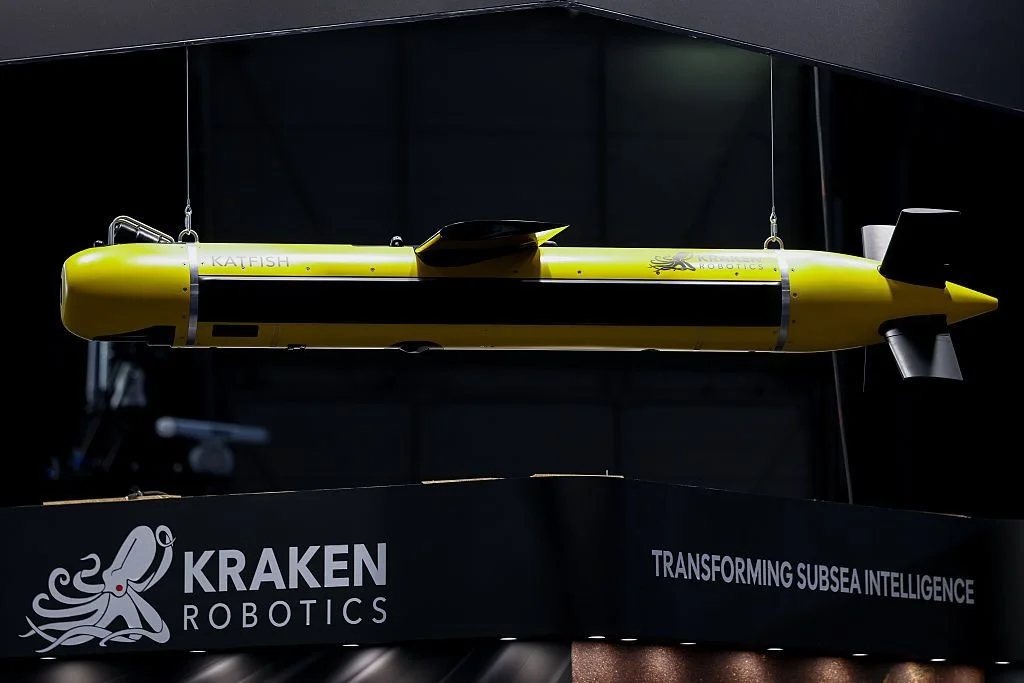
Kraken’s equipment helps customers inspect and maintain assets beneath the sea. Its products serve commercial surveying, offshore energy and defence. That mix matters: defence is an important source of demand, but the same underlying tools can also help survey seabeds, inspect cables and monitor offshore infrastructure.
Why underwater inspection is a growing business
Much of the infrastructure people rely on is out of sight. More than 95% of international internet traffic travels through fibre-optic cables on the ocean floor. Gas pipelines and power interconnectors run beneath the seas, while offshore wind farms need seabed surveys and cable checks. Oil and gas platforms also require structural monitoring, and navies use underwater systems to find submerged mines and protect sea routes.
Traditionally, this work has relied on support vessels and divers. That can be expensive and difficult to scale. Uncrewed surface vessels and autonomous underwater vehicles offer another way to collect information, sometimes staying underwater for days with few or no people on board. These systems still have to handle challenging engineering demands, from navigation and power to gathering and processing useful data. Kraken operates in this specialised market.
For investors, a growing market is only part of the case. Kraken also needs to win customers, deliver complex equipment, manage its costs and convert earnings into cash. Its acquisition of Covelya could help with the first two tasks, while making the latter two more complicated.
What Covelya adds
Kraken agreed in March 2026 to acquire Covelya for C$615 million (£325 million). Kraken started as a Canadian specialist selling individual pieces of subsea equipment. Covelya gives it a wider product range and a larger international customer base.
Sonardyne, Covelya’s largest business, makes underwater communications and navigation equipment for offshore energy, ocean science and naval uses. EIVA adds hydrographic survey software, navigation tools and data processing. Together, those products cover more of the work involved in a subsea survey.
Consider an offshore wind farm survey. A customer needs to know where its underwater vehicle is, keep it powered, capture detailed sonar readings and turn those readings into information it can use. Kraken could already supply some of the equipment in that chain. With Covelya, the combined business may be able to provide more of the system.
That broader offer could help Kraken compete for larger projects and sell more products to existing customers. It may also give the company access to sales channels that would take years to build alone. Sonardyne already has established commercial and government customers around the world. Kraken can seek to introduce its sonar and battery products through those relationships, while Covelya could use Kraken’s existing routes to market.
The opportunity depends on customers wanting the combined offer and on the two businesses working well together. Selling more products across a group is a plausible goal, not an automatic result of completing a deal.
The cost of scaling up
Kraken is paying a substantial price for the expansion. The C$615 million purchase required C$125 million of debt facilities and a sizeable issue of new shares, which dilutes existing shareholders. The enlarged business also includes British manufacturing facilities and European operations, adding organisational complexity.
Kraken has identified C$10 million in potential cost savings. Those savings should be viewed as targets. Combining engineering operations takes management attention, and making different products work together commercially can be harder than a plan on paper suggests. The acquisition increases the company’s potential reach, but it raises the execution risk at the same time.
Fiscal 2027 is expected to be the first full year that reflects Covelya. The enlarged group is forecast to generate roughly C$570 million in revenue and about C$140 million in adjusted EBITDA. This is a substantial increase in scale, much of it from the acquisition. Kraken’s existing business is also growing, supported by demand for subsea technology in defence and commercial markets.
EBITDA measures operating earnings, but it does not show how much cash a business has available. Kraken may need to pay suppliers and build inventory well before customers pay for finished systems. Components such as titanium, acoustic ceramics and battery cells can take months to arrive or be turned into products. Large contracts may also pay in stages tied to delivery and certification.
Capital spending adds another claim on cash. Kraken is expanding battery manufacturing capacity in Germany and investing in survey systems and other specialist equipment. These projects may support later growth, but the spending happens first. As a result, earnings can rise while cash remains tied up in inventory, factories and equipment. The business will need those investments to produce cash over time.
Recurring revenue is a possibility, not a given
Kraken may eventually generate more revenue from equipment already in use. Underwater machinery works in harsh conditions and needs servicing or replacement. Batteries wear out; sonar equipment may need maintenance. EIVA’s software can also generate licence revenue.
That creates the possibility of a steadier service and software business alongside equipment sales. For now, it is an opportunity to develop rather than established recurring income. Kraken’s legacy business still depends heavily on large orders, which can make results uneven. A larger installed base and Covelya’s customer relationships could help expand after-sales work, but the pace and financial value of that shift remain uncertain.
Until cash generation improves, Kraken has to finance a considerable amount of its own expansion. The practical question is whether the enlarged company can support its growth and reduce debt without repeatedly issuing shares or borrowing more.
What the valuation assumes
At an enterprise value of roughly C$1.5 billion to C$1.6 billion, Kraken is valued at about 11 to 12 times forecast adjusted EBITDA of C$140 million for fiscal 2027. That multiple is closer to one associated with an established defence contractor than a specialist instrumentation business. Yet Kraken also serves offshore energy, marine surveying and infrastructure inspection, and its growth could exceed that of more established defence businesses.
If the company sustains organic growth after the Covelya deal, investors may come to value it more like a growing instrumentation business. But the current valuation already relies on Kraken delivering substantial growth, integrating Covelya effectively and achieving the planned C$10 million of savings. It also assumes that working capital becomes less demanding with time.
If inventory remains high, battery investment keeps absorbing cash or integration takes longer than planned, the difference between EBITDA and free cash flow could stay wide. If cash conversion moves towards 50% of EBITDA, debt falls and software and after-sales revenue expand, the business may look less expensive relative to its growth and capabilities. If earnings continue to be consumed by inventory and investment, the headline valuation offers less comfort.
Two outcomes to watch
In the favourable case, Kraken combines the businesses without losing key staff or customers, sells more products through the expanded group and reaches its savings target. Sonar, battery and software sales grow together; service revenue becomes a larger part of the mix; and working capital eases as production and billing processes mature. Stronger cash generation could then help Kraken repay debt and fund growth without issuing more shares.
A weaker outcome does not require the business to fail. Integration may take longer, naval orders may be delayed, or offshore energy spending may become less predictable. If inventory and staged contract payments keep tying up funds while investment continues, the company may need additional debt or equity. Revenue growth alone would not resolve that problem.
Kraken’s equipment addresses real demands: inspecting infrastructure beneath the sea and helping customers operate autonomous underwater vehicles. Covelya gives the Canadian company a broader set of products, a substantial British engineering business and access to established customers. If management can bring those capabilities together, Kraken could become a more complete subsea technology supplier.
The clearest evidence of progress will be the cash flow. Investors can watch whether the enlarged group turns its projected earnings into free cash flow, reduces debt and builds service and software revenue. Those results will show whether the acquisition has created a business that can finance its own next stage of growth.