A Frugal Way to Turn Leftover Chicken Into a Brown Rice Meal
Earning & Side Hustles Anita 771 reads
A slow cooker, brown rice and pantry seasonings gave leftover chicken a new flavor and stretched it into dinner and lunch.
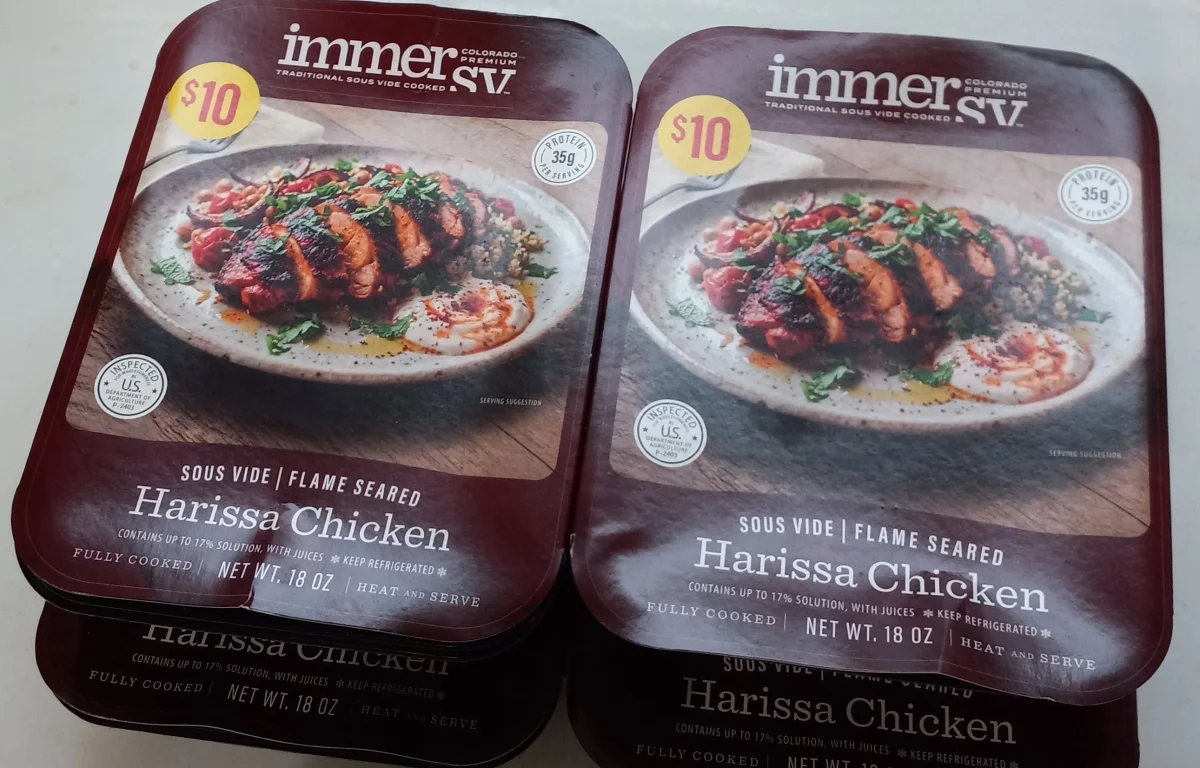
Leftover food can feel like a poor meal when its original flavor hasn’t worked for you. In this case, leftover harrisa chicken got a second chance: brown rice, vegetables, spices and a little spaghetti sauce turned it into a different dish, with enough for dinner and lunch. The cook’s practical aim was simple—use what was already on hand and avoid throwing away food.

Build the meal around what’s left
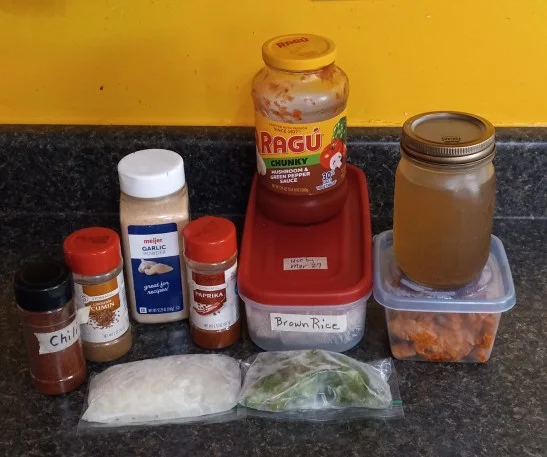
The starting point was about half a cup of brown rice, rinsed before cooking. The rice went into a 1.5-quart slow cooker with the leftover chicken, onions, bell peppers, garlic powder, paprika, cumin and chili powder. The seasonings weren’t measured. They were chosen to shift the taste of the chicken toward something the cook would enjoy more.
About half a cup of leftover spaghetti sauce joined the pot, adding another layer of flavor and making use of an open portion that might otherwise have sat unused. A pint—two cups—of chicken broth was also available in the refrigerator. It came from a batch of canning and hadn’t sealed, so it was used as the cooking liquid for the rice.
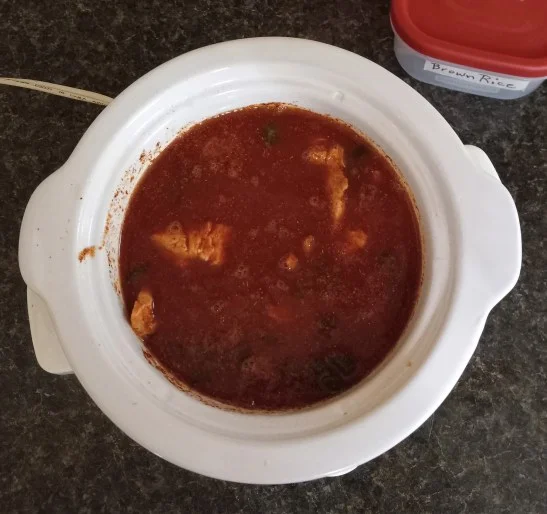
This is a flexible way to think about odds and ends: the rice provides a base, the chicken supplies the main ingredient, and vegetables, sauce and spices help change the overall character of the meal. The details matter less than having a combination that works with the amount of food on hand. Here, the cook didn’t follow a measured recipe, so the result reflects personal taste and whatever ingredients were available.

Allow for the cooker you have
The mixture cooked on high in the slow cooker for five hours. At that point, the rice wasn’t done, so it stayed in the cooker for another four hours before being checked again. The cook attributed the long cooking time to an older appliance that no longer worked as it once had.
That experience is a useful reminder for anyone adapting a meal to an older or unfamiliar cooker: a stated cooking time may not match what happens in a particular kitchen. The rice was tested before the cook decided it was ready. The account doesn’t offer a general cooking-time formula, and the nine hours here shouldn’t be treated as one. The appliance’s condition was part of the result.
There’s also a trade-off in choosing a slow cooker for a meal built around rice. It can hold the ingredients together while they cook, but this particular batch took much longer than the first check suggested. The cook’s next plan is to use a 3-quart Instant Pot Mini instead. That’s a preference based on this experience; no cooking time or pressure-cooking method was provided.
A changed flavor, and two meals
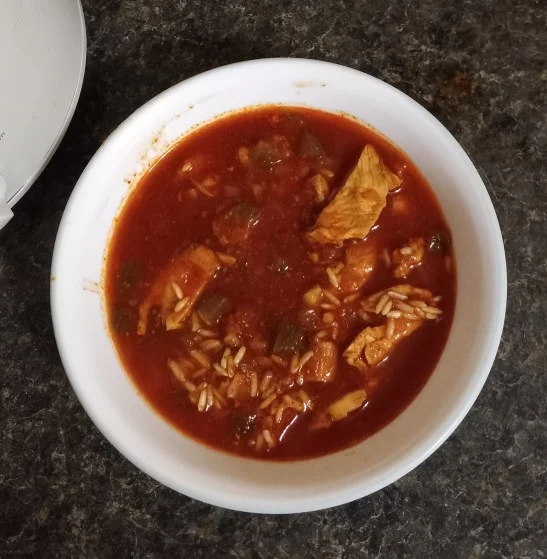
The cook liked the finished dish, even though the original chicken hadn’t appealed. Changing the surrounding ingredients gave the leftovers a new flavor, and the meal produced dinner plus enough for the next day’s lunch. That’s a modest but tangible payoff: food that might have been discarded became two servings occasions, without a trip to buy a new main ingredient.
There’s no promise that every leftover combination will work. A dish that’s already strongly seasoned may respond differently to added sauce and spices, and an unmeasured approach means the balance can vary. But when the starting point is food you don’t want to waste, adding a familiar base and flavors you enjoy can be a reasonable experiment. The cook’s choices—brown rice, onions, bell peppers, pantry spices, sauce and broth—were specific to what was available.
Small appliances can shape these decisions, too. The slow cooker used here holds 1.5 quarts; the Instant Pot Mini mentioned for next time holds 3 quarts. Those sizes came up when another cook asked about the equipment. The larger Mini was selected because of its compact size and has multiple functions, including pressure cooking and slow cooking. The commenter’s own equipment choices were different, so capacity and features are personal considerations rather than a prescription.
The meal also prompted a familiar question about changing a food’s form to make it more appealing: someone once looked at beans and decided to fry them again. The same instinct applies here. A flavor that didn’t work the first time doesn’t have to be the last word on the leftovers. The concrete takeaway is to start with what you have, choose additions that suit your taste, and check whether the food is ready using the appliance in your kitchen.