MoneyWeek Black Friday Subscription Offer: Six Free Issues and 30% Off
Retirement Planning [email protected] (MoneyWeek) 612 reads
UK readers can get six free issues, 30% off an annual MoneyWeek subscription and a free notebook. The offer ends 30 November 2026.
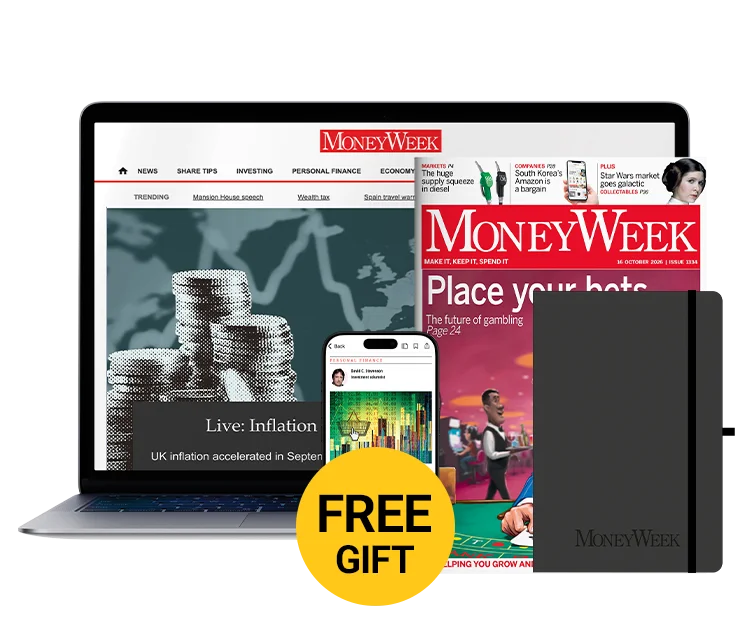
At a glance: the Black Friday offer
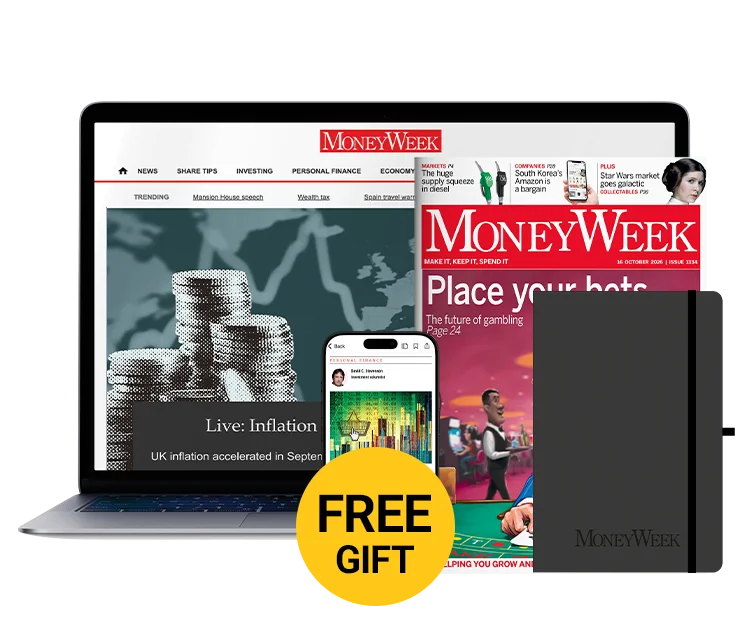
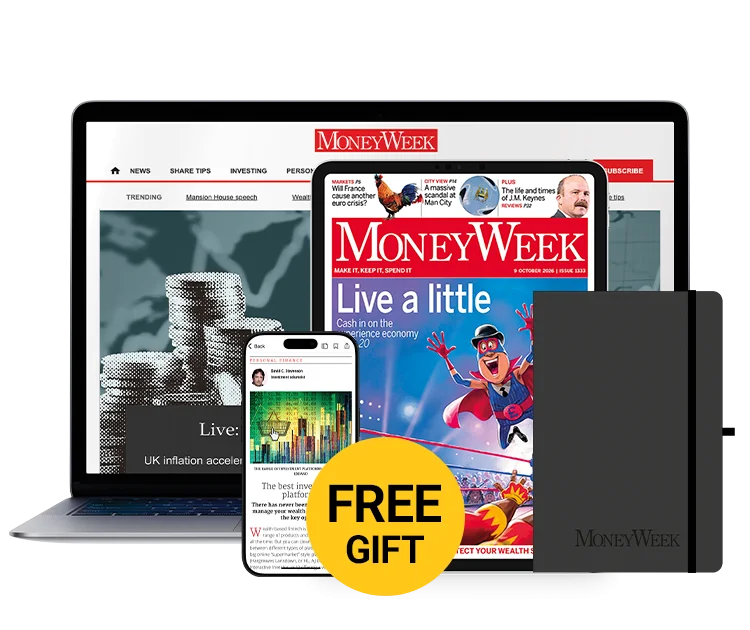
MoneyWeek’s Black Friday offer lowers the first year’s price across print and digital subscriptions, while giving new subscribers six issues free. UK residents can choose among three formats, each with a free notebook, discounts to MoneyWeek events and a money-back guarantee covering eligible unmailed issues.
The headline saving is 30% against each plan’s usual annual subscription price. That discount can make the first year cheaper, but the offer has several moving parts: six issues come before the listed charge, the annual subscription covers 52 issues, and the notebook has separate delivery terms. The price comparison is useful only when you know which period it describes.
Compare the three subscription options
The print plan costs £116.19 for every 52 issues after the first six free. That’s discounted from £165.99 and works out to £2.23 a week. It includes the weekly print magazine and the notebook gift. For readers who like to browse a physical edition or keep articles to hand, the format may be the main reason to choose it.
For print plus digital access, the annual price after the free issues is £122.49, down from £174.99. The stated weekly equivalent is £2.35. Subscribers receive the print magazine and can use the MoneyWeek app on a phone, tablet or laptop to read exclusive articles and listen to the MoneyWeek Talks podcast. A notebook and event discounts are included too. The price difference from print alone is modest on the figures given, though it matters only if you’ll actually use the app content.
The digital plan costs £69.98 for every 52 issues after the six free issues, compared with its usual price of £99.99. That is £1.34 a week. It includes app access, exclusive articles, the podcast, event discounts and a notebook. This is the lowest listed annual cost, but it won’t suit someone who specifically wants a magazine delivered to their door.
Each option advertises a 30% saving on the annual subscription price. The free issues come first; the listed annual charge applies after that introductory period. That distinction deserves attention: a promotional saving describes the subscription price, while the order’s billing schedule determines when you pay. Before choosing, consider whether you’ll use the print magazine, app features or both, and check the subscription terms for details of billing and cancellation.
What the subscription covers
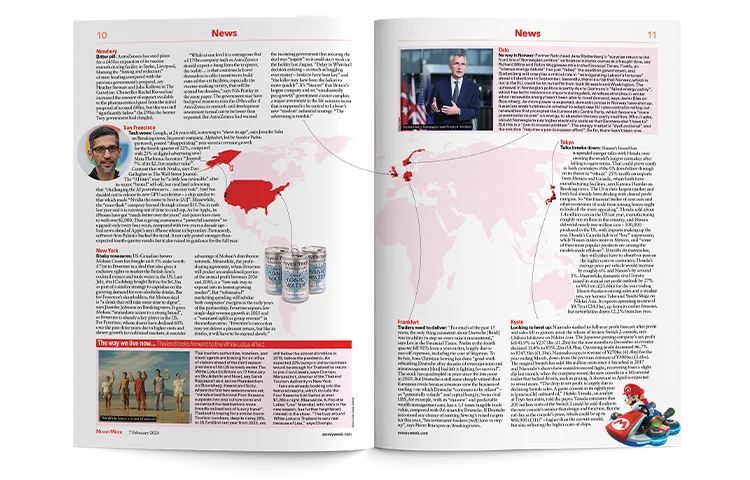
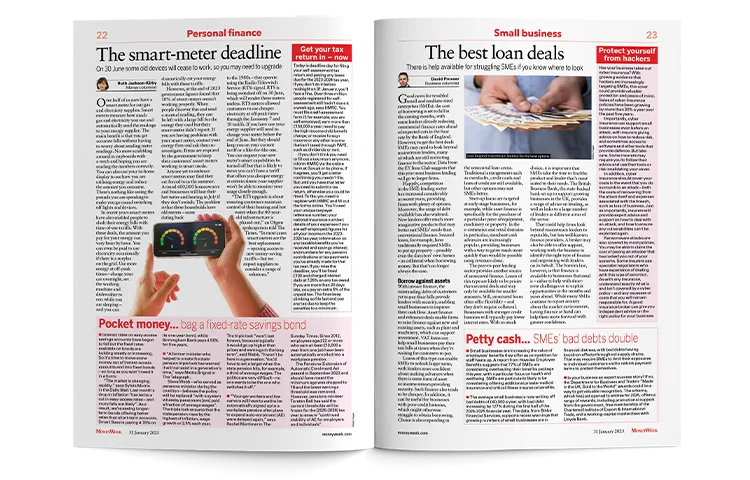
The weekly magazine covers financial markets, shares, economic trends, pensions and housing. Its editorial offer is aimed at readers who want regular analysis of developments that may affect household finances, alongside coverage of global markets and personal finance. A weekly publication can provide context across several topics, though it’s still up to each reader to decide which coverage is relevant to their own decisions.
The print plan suits readers who prefer a physical weekly magazine. The digital plan provides access through the app, while the combined option includes both formats. The source describes app access on phones, tablets and laptops, with articles and MoneyWeek Talks available there. Discounts to MoneyWeek events are listed with all three plans, but the offer doesn’t state how much those discounts are or which events qualify.
That mix matters when weighing the headline discount. A lower annual price is useful only if the format and included features fit your reading habits. If you mainly want the app, the digital subscription has the lowest listed annual cost. If you want a magazine delivered each week, print is the relevant choice; the combined plan adds digital access for a higher annual price.
Here's the thing: subscription value depends on use, not the number of features in the description. If you’re working out a household budget, compare the recurring cost with what you’ll realistically read and listen to. The notebook and event discounts may be pleasant extras, but they shouldn’t obscure the ongoing subscription charge. A format you’ll open regularly. That’s the practical test.
Check the offer dates and terms
The sale ends on 30 November 2026. The offer is limited to one redemption per household and is available to UK residents. The notebook is expected to arrive within 30 days. The stated terms say there is no alternative gift or cash option, and an offer may be withdrawn in cases of individual or discount-site misuse.
The subscription guarantee allows cancellation at any time during the subscription and a full refund for issues that have not been mailed, provided the request is made within 30 days. The terms also say subscribers may request a pause of up to three months. An annual subscription consists of 52 issues; four extended issues are published during the year, and each counts as two issues. That means the issue count can be less intuitive than a simple one-magazine-per-week description suggests.
Read the guarantee alongside the billing details. A refund for issues that haven’t been mailed is tied to the number of issues already sent, and the stated 30-day request window is a condition to keep in view. The source doesn’t spell out every step of the cancellation process, so the subscription terms are where to confirm how to submit a request.
Why the details matter
The promotion’s value rests on three separate questions: which format you’ll use, when the annual charge applies, and whether the cancellation terms match your expectations. The first-year discount can make the offer attractive, but a promotional price doesn’t answer what happens once the introductory issues have been delivered. Check the order information for the applicable billing schedule and price after the offer period.
This is more significant than it looks: a subscription is a recurring household expense, and the cheapest option on paper can still be poor value if it goes unread. What this means for you is straightforward: match the plan to your habits, account for the stated annual cost, and keep the end date and guarantee conditions in view. That said, the offer gives readers a clear choice across print, digital and combined access, with the main trade-off being price against format.
The practical choice is the format you’re most likely to use, with the stated annual cost and offer end date in view. The sale ends on 30 November 2026, and the terms set out the free issues, notebook delivery and refund conditions. (And this is the part most people overlook) the 30% saving is attached to the annual subscription price, so the introductory issues and later billing should be checked as separate parts of the offer.